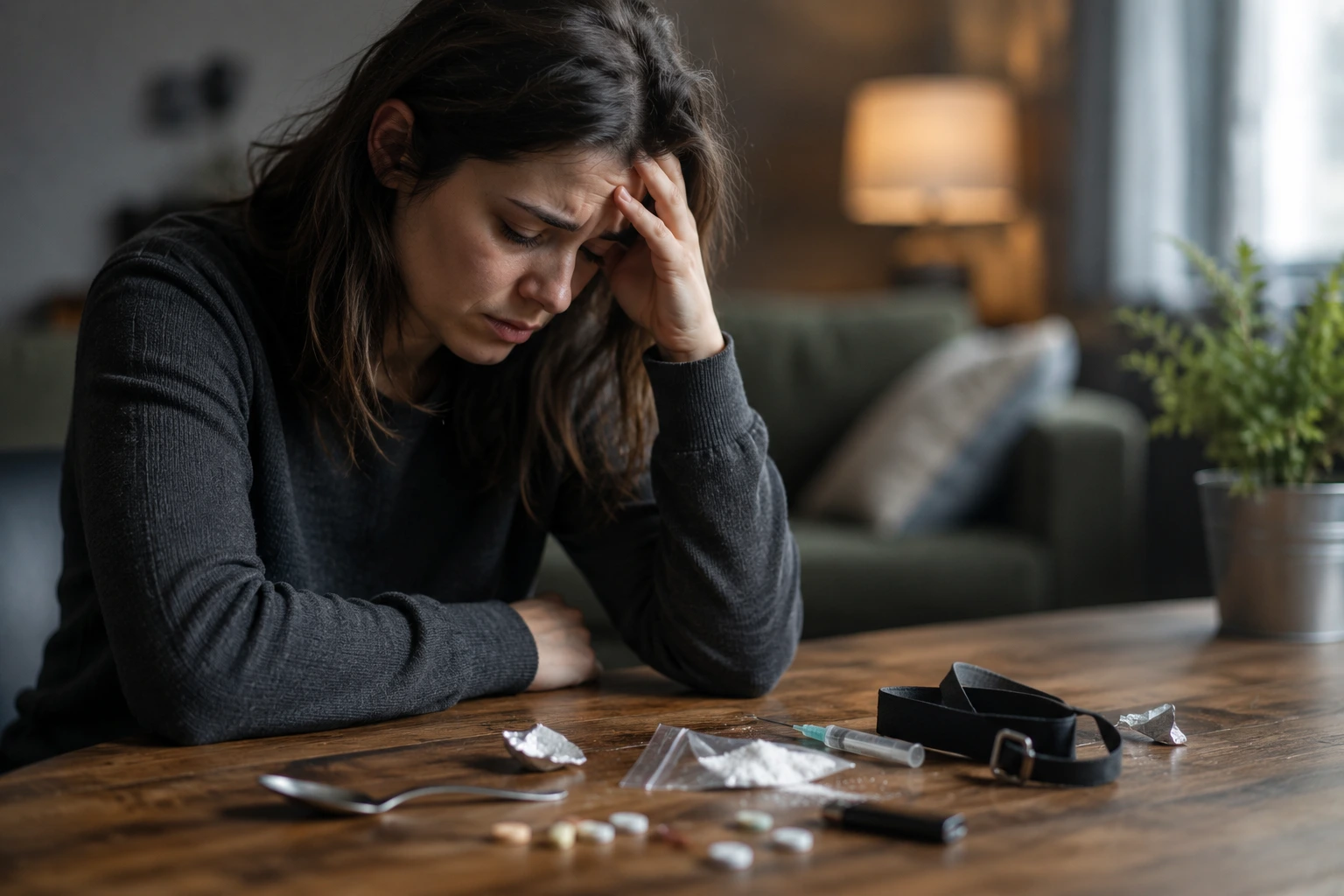
Life can become difficult, and it’s also hard to deal with the overwhelming feelings. These intense feelings may lead to self-harm. However, a self-harm relapse may feel defeating and discouraging, but it does not affect the progress you made during recovery.
Healing is not a straight process, and individuals can experience setbacks with feelings like frustration, shame, and guilt. FRC offers a Partial Hospitalization Program (PHP) to manage relapse.
✨ Highlights:
- Self-harm relapse is the part of the long-term recovery journey.
- Burning, cutting, choking, nail biting, and hair pulling are some types of self-harm.
- Consider triggers and warnings to receive the timely support to maintain recovery.
- Get the professional help from Freedom Recovery Center to recover safely.
What is a Self-Harm Relapse?
A self-harm relapse occurs when a person adopts self-injurious behavior after a long time of reducing or stopping the self-harm behavior. It is common in mental health and substance addiction treatment, which does not mean failure.
Understanding the difference between a lapse and a relapse helps you avoid self-harm behaviors. A lapse is a one-time or brief return to the self-injury behavior. On the other hand, a relapse is a consistent return to self-harm behavior. Recognizing the difference is important to respond with clarity without self-judgment.
What are the 10 Types of Relapsing Self-Harm?
There are different types of self-harm, but not all of them may appear immediately. Understanding different types may help you reduce the risk of relapse or self-harm by identifying behaviors early.
- Burning
Burning is a type of self-harm that involves injuring one’s skin with hot or heated objects. Individuals may use this self-harming option to feel more in control while releasing the emotional pain. However, it can become a baseline for the lasting scarring and serious infections.
- Cutting
Cutting is a well-recognized type of self-harm. Individuals may experience a cutting relapse with the use of sharp objects for wounding on their skin. This approach can serve as a way of coping with overwhelming feelings or emotions.
- Compulsive Exercise
Compulsive exercise is a self-harming behavior that involves physical activity affecting overall health. This relapse is based on a need to escape distress or punish oneself. Therefore, it may lead to injury or physical exhaustion over time.
- Chronic Nail Biting
Severe nail biting may become harmful because it goes beyond a nervous habit. This chronic relapse can lead to infections and bleeding while damaging skin and nails. Emotional discomfort or anxiety is the main reason for this nail-biting behavior.
- Choking
Restricted behavior or choking is a harmful type of self-harm for individuals. This approach is usually adapted to cope with the intense emotions. This self-harming relapse may carry serious risks, which require immediate treatment.
- Hair Pulling
Hair pulling or trichotillomania is a form of self-relapse that involves pulling out hair repeatedly. This self-harm may be commonly triggered by tension, anxiety, or stress. Hair-pulling behavior may lead to emotional distress and significant hair loss.
- Hitting
This form of relapse or self-harm includes hitting or punching the body with a clear intention. Individuals may use this approach to cope with frustration or manage anger effectively. Repeated behavior can lead to physical harm and bruising.
- Scratching
Scratching is a process of repeatedly damaging skin with objects or fingernails. Individuals may use scratching to cope with internal distress or tension. It can lead to infections, scars, and wounds over time.
- Skin Carving
Skin carving is an extreme type of self-injury that involves deeper patterns or marks. It is usually connected with intense self-expression or emotional pain. This scarification behavior may lead to serious medical risks and permanent scarring.
- Pinching
Pinching is a self-harm approach of squeezing the skin hard that leads to marks or pain. It highlights the underlying distress even though it seems less severe. Repeated pinching may cause skin damage and bruising.
What are the Most Common Triggers Leading to Relapse?
There are different reasons causing relapse, which are connected to environmental or emotional triggers. Identifying personal triggers is an important step to prevent future relapse. It is important to consider 10 things before starting a PHP treatment for trigger management. Some of the common relapse triggers are:
- Overwhelming emotions such as loneliness, anger, depression, and anxiety
- Lack of emotional stability or experience isolation
- Misunderstood feelings or relationship problems
- Exposure to unresolved memories or past trauma
- Prominent life changes such as transition, job stress, or loss
Struggling with Self-Harm Relapse Behavior and Need Professional Support?
Don’t delay in contacting the certified professionals of Freedom Recovery Center to receive the required support to prevent the risk of relapse.
What are the Warning Signs of Self-Harm Relapse?
Identifying the early signs helps you take quick action before things become worse. These signs may not always be prominent, but small changes in the emotions, appearance, and behaviors. Let’s explore the signs that indicate that you need instant help.
Fresh Cuts or Bruises
Bruises, fresh cuts, or unexplained injuries may appear on the body, indicating self-harm. These injuries are commonly present in areas that can be hidden easily from others. Marks or cuts highlight the return to self-harming behavior after the recovery process. Noticing these harms early may help you seek timely treatment.
Wearing Oversized or Long Clothing
Wearing oversized clothes or long sleeves even in the hot weather is a sign of self-harm relapse. Individuals usually wear these types of clothes to hide recent injuries, scars, or marks on the body. The immediate changes in clothing reflect secrecy or discomfort. You need to pay attention to understand the underlying problems.
Unusual Blood Stains
The prominent appearance of blood stains on personal items such as belongings, tissues, and clothing occurs without a clear reason. These are warning signs that are usually overlooked but highlight the ongoing self-harm. Individuals may dismiss or hide from their family and friends. Having awareness of unusual blood stains helps in identifying relapse early.
Keeping Harmful or Sharp Objects
A significant desire to keep sharp or harmful objects. It includes having the most dangerous items, like the blades, without a purpose. This behavior indicates preparation for the self-harm activity. It is important for individuals to recognize the pattern of having harmful items for early intervention.
Spending Time Alone
A desire to withdraw from family and friends to spend time alone. This isolation is an approach of hiding behavior while avoiding questions. It may reflect the lack of support and increased emotional distress. It is crucial to consider the instant social withdrawal for quick help to avoid relapse and self-harm.
Physical Appearance Changes
Making oneself prominent in appearance or ignoring hygiene usually happens due to self-harm. Individuals may use different strategies to cover up their bodies frequently. These changes in physical appearance reflect low motivation and internal challenges. Taking notice of these changes is necessary to identify the concerns effectively.
Unstable Behavior
Behavior can be more impulsive or unpredictable than normal. The immediate emotional reactions or mood changes may become more frequent for individuals. This instability is usually connected to coping challenges and internal distress. It may indicate that someone is struggling with a self-harm condition.
Verbal Distress Cues
There is an increase in the expression of self-criticism, guilt, or hopelessness. Individuals also start intense and frequent negative self-talk. These verbal cues may reflect the emotion that is usually invisible. Listening carefully to verbal cues may help in considering the timely support.
Relationship Problems
Sudden emotional distancing or relationship conflicts are also signs of self-harm. Individuals start to push others away or avoid communication. It is a clear sign of overwhelmed or misunderstood feelings. That’s why the relationship struggles indicate the deeper emotional challenges for individuals.
What to Do If You Relapse into Self-Harm
You need to immediately focus on support and safety during the first 30 days in PHP after experiencing a relapse. It is important to calm yourself and remind yourself that relapse cannot undo your progress permanently. Individuals need to take care of their injuries and seek professional medical help if needed.
Individuals may need to distance themselves from anything that may cause further harm. It is crucial to share struggles with family and friends to receive structured support from certified professionals. However, individuals can also consider the confidential support from FRC and focus on grounding techniques like focusing on surrounding and deep breathing.
💡 Did You Know
Several individuals return to substance abuse within the first 3 months of treatment. Approximately 70% relapse within the 1 year of the substance use disorder recovery.
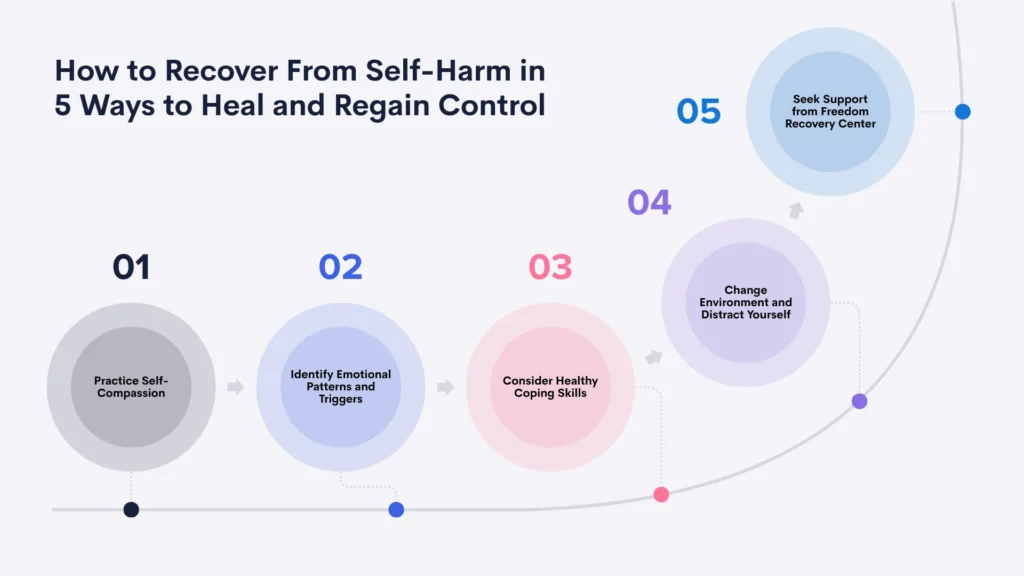
How to Recover From Self-Harm in 5 Ways to Heal and Regain Control
Recovering from self-harm relapses may seem challenging, but the right approach can make a major difference. Basically, relapse highlights areas where you need more care and support to maintain recovery. By taking small steps, you can restart the healing process and regain control. Let’s consider the strategies that help in rebuilding stability for the long-lasting recovery.
Practice Self-Compassion
You may fall into self-criticism and guilt after the relapse. Moreover, you need to remind yourself that recovery is not a linear process, instead of blaming yourself. It is important to treat yourself with kindness. Therefore, self-compassion is helpful in the recovery journey, which doesn’t keep you stuck.
Identify Emotional Patterns and Triggers
It is important to take some time and reflect on factors leading to relapse. It is important to consider occasional, environmental, and emotional triggers. Understanding these patterns allows individuals to prepare themselves for upcoming challenges. Awareness about triggers is the first step toward preventing the next relapse.
Consider Healthy Coping Skills
It is important to focus on the healthy coping strategies that have already helped you on your recovery journey. These skills may include mindfulness, exercise, and journaling. It is a good strategy to replace harmful behaviors with safe alternatives to manage self-harm. Consistency is essential because these techniques help you rebuild emotional stability effectively.
Change Environment and Distract Yourself
Changing your surroundings may help you break the cycle of harmful behaviors. It is crucial to move yourself to go outside, move to a safe environment, or communicate with other people. Engaging in activities such as calling someone or watching something may distract you from self-harm. This distraction can reduce relapse intensity and help you regain control.
Seek Support from Freedom Recovery Center
If self-harm relapse continues to be frequent or overwhelming, it is important to ask for professional help. The professional therapists at Freedom Recovery Center in New Jersey provide streamlined guidance and treatment. Therapies like CBT and DBT are ideal for managing self-harming behavior.
What are Healthy Coping Skills for Self-Harm Relapse Prevention?
Safe alternatives for the harmful behaviors may help you manage both relapse and self-harm effectively. You can focus on drawing on your skin, snapping the rubber band, or holding ice. Physical activities such as light exercise or walking help you manage stress. Writing a journal is helpful for releasing intense emotions.
Mindfulness approaches such as meditation and deep breathing are effective for keeping individuals grounded. There are also creative activities like crafting, music, and art that offer a healthy approach to expressing feelings.
What are the Quotes about Self-harm Relapse?
Reading the impactful and inspirational quotes about relapse and self-harm may offer comfort to individuals. Here are some popular quotes for encouragement:
- “The bravest thing I ever did was continuing my life when I wanted to die.” – Juliette Lewis
- “Even the darkest night will end, and the sun will rise.” – Victor Hugo
- “Strength does not come from winning. Your struggles develop your strengths. When you go through hardships and decide not to surrender, that is strength. ” – Arnold Schwarzenegger
- “The real difficulty is to overcome how you think about yourself.” – Maya Angelou
When to Seek Professional Help to Avoid Self-Harm
You may require additional support to prevent self-harm and relapse. Seeking help has become essential when you experience severe injuries, uncontrollable feelings, and frequent relapse. Effective therapeutic approaches may offer personalized guidance while teaching coping strategies.
Approaches like Cognitive Behavioral Therapy (CBT) and Dialectical Behavior Therapy (DBT) in an Intensive Outpatient Program (IOP) are effective for self-harm behavior treatment. A personalized treatment plan addresses the fundamental causes and helps you build healthier coping skills.
How to Develop An Effective Relapse Prevention Plan
Having a personalized plan to prevent relapse may make a big difference during the challenging time. It is important to identify the warning signs and personal triggers. The list of coping strategies is effective when the risk of relapse or self-harm arises. The strong support system is helpful when you need personalized attention during a tough time.
You can track the emotional triggers while setting realistic goals for the recovery journey. This approach helps you become aware of the risk of relapse while knowing how far you have come through the prevention plan.
How to Support Someone Who Experiences Relapse
Effective support has a powerful role for someone you love who is experiencing a relapse. It is crucial to avoid criticism or judgment while approaching them with empathy. You need to listen and validate the individuals’ feelings rather than starting to fix straightaway.
Encouraging individuals is necessary when they are seeking professional support. It is also important to offer reassurance that individuals are not alone in the setbacks. Consistency and patience are important factors in the recovery journey. Individuals need support and time to regain control and resume the meaningful recovery path.
How to Move Forward After Relapse or Self-Harm
It is a fact that relapse is not the end of the recovery journey because it allows individuals to pause and reflect. It’s a time to reframe the relapse experience as a learning opportunity rather than considering a failure.
It is important for you to focus on the progress you have already made during the recovery. You need to remind yourself that the healing process can take significant time. Practicing self-compassion may help you build motivation and confidence.
Get Help from Freedom Recovery Center Today for Self-Harm Relapse
Experiencing a self-harm relapse is challenging, but it can not define your recovery journey. Recovery is still possible with consistency and patience. Don’t hesitate to contact the Freedom Recovery Center when you are struggling with relapse. The certified and experienced professionals help you manage the relapse.
Struggling with the Higher Risk of Relapse During the Recovery Journey?
Consider the professional help from the Freedom Recovery Center to overcome the risk of relapse and continue a smooth recovery.
Answers to Common Questions About Self-Harm Relapse Behavior
Frequently asked questions about self-harm relapse are answered here.
Can you relapse with self-harm?
Yes, you can relapse with self-harm due to emotional instability and relationship problems.
How do I know if I’m having a relapse?
Fresh cuts, physical appearance changes, hair pulling, hitting, scratching, and pinching are signs of having a relapse.
What can I do instead of relapsing?
You can change your environment and engage in physical activities instead of relapsing.
What are some common relapse triggers?
Trauma, lack of motivation, and overwhelming emotions are some of the common relapse triggers.
How do I tell someone I relapsed?
You need a calm and confidential space to tell someone that you relapsed.
What to do if you’ve relapsed?
You need to consider professional help from the Freedom Recovery Center if you have relapsed.