When your loved one is struggling with drug or alcohol addiction and decides to seek treatment. Choosing the right drug rehab can be life-changing. Our drug rehab program at Freedom Recovery Center is designed to provide a safe and supportive environment for effective recovery. Our professional and experienced staff are dedicated to helping individuals achieve sobriety. They use different techniques and strategies to help manage withdrawal symptoms.
Many people feel confused before going to rehab, so questions may arise, such as, “What happens in rehab center?” and “What does rehab look like?” This comprehensive blog will help you understand how rehab works and which treatments and programs are used to treat drug and alcohol addiction.
What Does Rehab Look Like?
Rehabilitation is commonly known as a rehab center. It is a facility that provides addicted individuals with medical care and psychological support so they can recover from substance use addiction more quickly. Our professional psychologists offer an IOP program for dual diagnoses caused by severe drug use. Our center in New Jersey provides different evidence-based therapies to help individuals overcome dependencies and mental health issues.
Every rehab center has a specific approach to treating individuals. Our rehab center offers multiple treatment programs, including PHP and IOP, along with effective therapies that support recovery. Our rehab center not only helps individuals stop substance use but also focuses on their physical and mental well-being.
Types of Rehab Programs for Drug and Alcohol Addiction
FRC is a leading drug treatment center that offers a variety of treatment options to meet patients’ needs. These treatments are designed based on your health history and the severity of addiction. Here are a few treatment programs that help you achieve recovery faster.
- Detoxification: This detox program helps you manage withdrawal symptoms effectively without experiencing health complications. Our experts use this program to remove the harmful toxins from the body.
- Inpatient Treatment: We offer the residential treatment service within the luxury indoor settings of the Freedom Recovery Center. The hospitalization ensures that patients proceed with their treatment effectively without external triggers.
- Outpatient Treatment: We also offer a flexible outpatient treatment service without hospitalization through exceptional support and regular checkups. Patients receive their treatment at their residence while maintaining their home and work responsibilities.
How Does an Outpatient Rehab Program Vary?
| Feature | Partial Hospitalization Program (PHP) | Intensive Outpatient Program (IOP) | Standard Outpatient Program |
| Level of care | Most intensive outpatient option | Moderate level of outpatient care | Least intensive level of care |
| Typical schedule | About 5–7 days per week | About 3–5 days per week | Usually 1–2 sessions per week |
| Treatment hours | Around 20–30 or more hours per week | Around 9–15 hours per week | Usually 1–3 hours per session |
| Daily structure | Structured, full-day treatment schedule | Several hours of treatment per day | Short, scheduled therapy sessions |
| Medical support | Frequent clinical and medical support | Regular clinical support | Limited medical support |
| Living arrangement | Live at home or in a sober-living home | Live at home or in a sober-living home | Live at home |
| Best suited for | People who need intensive support but do not require 24-hour residential care | People who need regular treatment while managing some daily responsibilities | People with mild symptoms or those continuing recovery after a higher level of care |
| Work or school flexibility | Limited because of the time commitment | Moderate flexibility with proper planning | High flexibility; work or school is usually easier to continue |
| Main goal | Stabilization and intensive recovery support | Building recovery skills and preventing relapse | Maintaining progress through ongoing therapy |
A PHP program usually follows a structured daily schedule that may include therapy, counseling, skills-building activities, and clinical support. See what a typical PHP day looks like to better understand the daily routine.
How Do I Know When I Should Start The Treatment?
If your loved one is addicted to drugs or alcohol but does not know when to join rehab, making this decision can be confusing. Here are a few signs that indicate when you should join rehab.
- If you start using substances more frequently and need higher doses to achieve the desired effect, it can be dangerous to your life. That is why it is important to join rehab so you can avoid further harm.
- If increased substance use is damaging your family relationships and professional life, this is also a sign that you should join rehab.
- Remember professional addiction treatment at a rehab center can help you achieve recovery. Do not delay and seek admission to rehab faster.
Turn Uncertainty Into Hope
From the first assessment to ongoing aftercare, every step of rehab is designed to support your recovery goals. Find the guidance and professional care you need at Freedom Recovery Center.
What Happens in Rehab Before Starting The Journey?
Before starting your rehab journey, most centers begin with an initial consultation and detailed assessment to understand your substance use history and personal needs. Based on this information, the team creates a customized treatment plan that includes therapy, counseling, and aftercare support to guide you through recovery.
Initial Consultation
The process usually begins with an initial consultation with an admissions professional or therapist. During this conversation, you can discuss your substance use, treatment goals, concerns, and available rehab programs. The team will also explain what to expect during admission and treatment.
Assessment
After consultation, our trained medical and mental health professionals complete a detailed assessment. This may include reviewing your substance use history, physical health, mental health and withdrawal risks. The assessment helps the team understand your needs and identify any co-occurring mental health conditions.
Customized Treatment Plan
Our staff offers a personalized treatment plan to make recovery faster. The plan may include detox support, medication, individual therapy, group counseling, family therapy, and wellness services. Your treatment goals and level of care may be adjusted as your needs change.
Therapy and Counseling
Therapy and counseling help you understand the causes of addiction and develop healthier coping skills. You may participate in individual, group, family, cognitive behavioral, or other evidence-based therapies. These sessions can support emotional healing, relapse prevention, and long-term recovery.
Aftercare Support
Aftercare planning begins before treatment ends to help you continue making progress after rehab. It may include outpatient therapy, support groups, medication management, relapse-prevention planning, and regular follow-up appointments. Ongoing support can make the transition back to daily life safer and more manageable.
What Happens After a Rehab?
After rehab, you begin applying the skills you learned in treatment to your everyday life. Most people follow an aftercare plan that may include individual counseling, group therapy, support meetings or an intensive outpatient program. You may also return home, move into a sober-living environment and gradually resume work or other responsibilities. Continuing support, healthy routines and relapse-prevention strategies can help you maintain your recovery after formal rehab ends.
Outpatient treatment provides structured support without requiring overnight hospitalization. Learn more about how intensive outpatient programs work and how they can help people continue treatment while managing certain daily responsibilities.
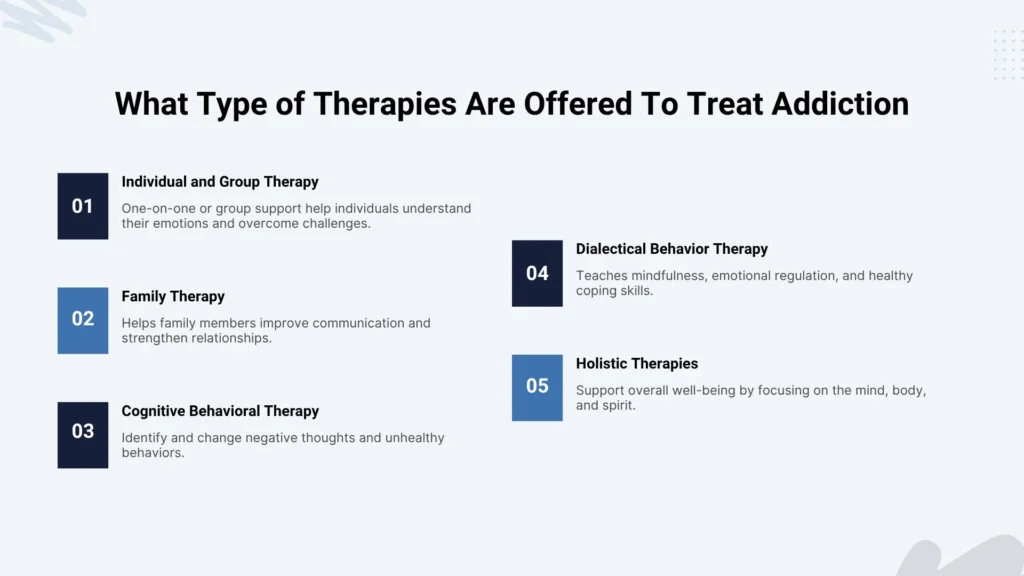
What Type of Therapies are Offered To Treat Addiction
We understand that recovery is possible with effective treatments, but therapies are a helpful source for speeding up the recovery process. That’s why well-experienced therapists at the recovery center assist patients with diverse therapy options.
- Individual and Group Therapy
At Freedom Recovery Center, we offer individual therapy sessions where patients can openly discuss their personal challenges with experienced mental health professionals. Our group therapy sessions create a supportive environment where patients connect with others, share experiences, and learn healthy ways to manage recovery challenges.
- Family Therapy
Our licensed therapists provide family therapy to rebuild trust and strengthen relationships. By involving family members in the recovery process, this therapy creates better communication and helps patients build a strong support system for long-term recovery.
- Cognitive Behavioral Therapy
We use Cognitive Behavioral Therapy (CBT) to help patients recognize negative thoughts and unhealthy behaviors related to addiction. Our mental health professionals teach practical coping strategies that support healthier decisions and long-term recovery.
- Dialectical Behavior Therapy
Our Dialectical Behavior Therapy (DBT) program helps patients manage intense emotions, stress, and difficult situations. With guidance from trained professionals, patients learn mindfulness, emotional regulation, and healthy communication skills.
- Holistic Therapies
We offer holistic therapies such as yoga, meditation, nutrition support, and nature-based exercises to support overall well-being. These approaches help patients relax, improve self-awareness, and develop healthy habits during their recovery journey.
Take the First Step Toward Recovery
Get personalized addiction treatment and compassionate support at Freedom Recovery Center. Contact our team today to explore the right recovery program for your needs.
Benefits of Choosing Freedom Recovery Center for Addiction Treatment
Making the decision to get help and choosing the right treatment center is the foundation for a quick and reliable rehab experience. We offer the best IOP for drug addiction and provide benefits to individuals struggling with drug abuse. Below are a few reasons to choose FRC for effective advantages.
- Manage withdrawal symptoms: Our FRC manages withdrawal symptoms through effective detox programs and medication-assisted programs. They manage the symptoms smoothly and provide further treatment for proper recovery.
- Community support: When you stay in rehab care, you get strong community support. In rehab, the team has such a good bond with patients that patients discuss all their challenges with the team without hesitation.
- Relapse prevention: Our recovery center in New Jersey offers effective aftercare support to individuals looking for long-lasting sobriety. We help individuals by using different strategies for relapse prevention.
- Tailored Treatment Facility: It’s a fact that two individuals can’t experience addiction in the same way. Our recovery center offers a personalized treatment facility to individuals based on each patient’s needs and goals.
- Use Effective Therapies: The staff in our rehab use clinical evidence-based therapies to help patients move quickly toward healing. These therapies keep patients engaged and develop skills in them to give aftercare support.
Visit Freedom Recovery Center to Start Your Recovery Journey
Visit Freedom Recovery Center in New Jersey to get compassionate, personalized care for co-occurring mental health conditions. Our licensed professionals offer evidence-based treatment through programs such as PHP and IOP, along with therapy, counseling, psychiatric support, and relapse-prevention planning. Take the first step toward lasting recovery in a supportive environment designed around your individual needs.
Frequently Asked Questions (FAQs)
Is rehab mostly like a hospital?
Rehab has some hospital-like features like professional medical care, assessments, and structured treatment. However, many rehab centers feel more like supportive treatment communities than hospitals, especially outpatient programs.
Can I use my phone in rehab?
Phone use depends on the facility and the type of program. Some centers allow phones during specific hours, while others restrict access during the early stages of treatment to reduce distractions and protect privacy. Ask the rehab center about its phone policy before admission.
What do you do during rehabilitation?
During rehab, you may attend individual counseling, group therapy, family sessions, and educational workshops. Treatment can also include medical support, relapse-prevention planning, coping-skills training, and activities that support healthy daily routines.
Can someone leave rehab whenever they want?
In most voluntary treatment programs, a person can request to leave but leaving early may increase health and relapse risks.
How many times do most addicts go to rehab?
There is no fixed number of times a person must attend rehab. Some people recover after one treatment episode, while others need additional or repeated care because addiction is a chronic condition and recovery can involve setbacks.
How long does it take for someone to get out of rehab?
The length of rehab depends on the person’s needs, treatment progress and level of care. Programs may last around 30, 60 or 90 days, while outpatient treatment and aftercare can continue for several months or longer.