Addiction and mental health have a close connection and can affect each other. If you or your loved one is struggling with addiction, it can impact your own mental health and lead to issues like anxiety, depression, or stress. Many people experience both problems at the same time and these patients are often more complex and more difficult to manage.
If you do not treat both addiction and a mental health disorder, it can make mental health symptoms worse. That is why it is important for you to understand how addiction affects mental health. Here you will learn all the hidden symptoms and how to cope with substance use or mental health issues.
What Is Addiction?
Addiction is a serious clinical condition that affects how the brain works. When a person starts taking substances like drugs or alcohol, their behaviours changes. If you are addicted and you stop taking the substance, your brain creates cravings and you may feel strong urges to use again. If you don’t get the substance, a person may even harm themselves or others.
According to the American Society of Addiction Medicine ASAM, addiction can be treated by stopping the use of alcohol and drugs. People who constantly use substances harm their health and daily life. It is true that addiction is very challenging, but it can improve over time.
The right support and a good counsellor are necessary to move a person toward recovery. At FRC, our certified and experienced professional counsellors provide counselling to patients. They use different strategies and motivate the person so that they can move toward recovery as quickly as possible.
Are You Struggling With Addiction And Mental Health Issues?
If you or a loved one is experiencing anxiety , depression and want to get recovery from these mental health issues. Our certified counsellors at Freedom Recovery Center will assess your needs and create a personalized plan to protect your mental health.
How Does Addiction Impact On Mental Health?
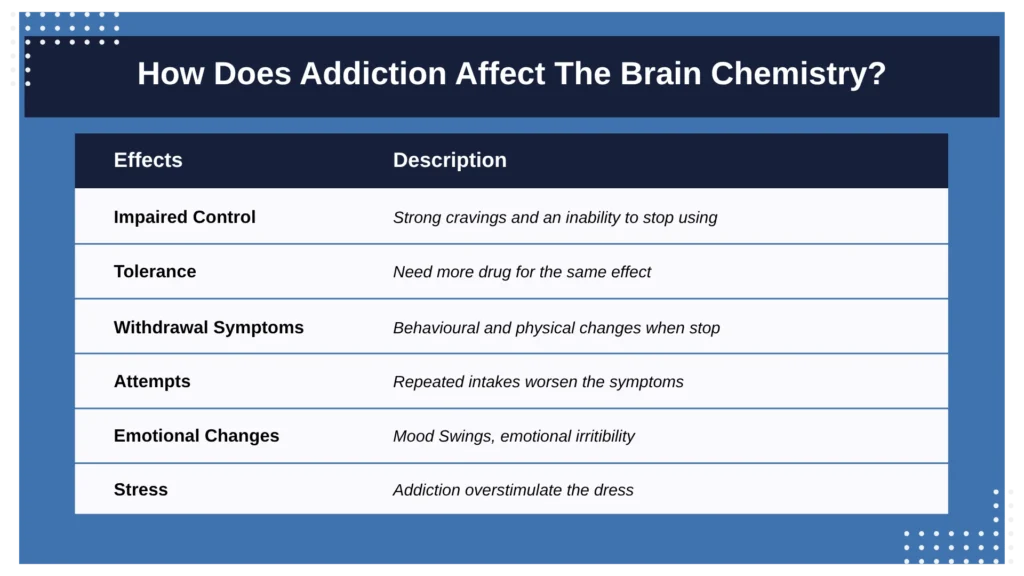
Addiction from substance use seriously impacts the brain. These substances damage brain function over time. Because of these changes, it affects mental health. Using these substances negatively disrupts work and relationships, which can make you more depressed or stressed. Here are a few conditions that are negatively impacting mental health.
Neurochemical Changes
Substance use disturbs the brain functions. It affects the neurotransmitters that help control mood and emotions. For example, if you use alcohol and substances for a long time, your body becomes addicted, which can lead to depression, anxiety and other serious mental health disorders.
Withdrawal Effects
Many of you face substance withdrawal symptoms that can trigger mental health disorders. Withdrawal symptoms include depression and anxiety, which can make a person harm themselves and even lead to suicide.
Stress
Stress management is difficult whether you are using substances or not. The consequences of substance use can lead to anxiety and depression, which can affect relationships and other personal issues.
Isolation
People who suffer from mental health disorders are also victims of stress and depression. They often prefer to stay alone and don’t want to communicate with others. These things push the patient toward drug and alcohol use, which can be more dangerous.
Poor Relationship
A person who becomes a victim of substance use often develops mental health issues. These people prefer to stay alone and break relationships. When they see their personal life get damaged, they become more depressed.
What Is A Co-Occurring Disorder?
Co‑occurring disorder is also known as dual diagnosis. It is called dual diagnosis because substance use disorder co-occurs with a mental health disorder, such as bipolar disorder.
According to the National Health on Mental Illness, 21 million people in America suffer from substance use disorder and 8 million people are living with mental illness. Many people die by suicide because they do not find supportive rehab care where they can get proper treatment. At Freedom Recovery Center NJ, we offer an intensive outpatient and partial hospitalization program depending on the patient’s condition and availability. You can get this treatment at affordable prices by booking an insurance plan.
Symptoms Of Co-Occurring Disorder
The patients who are suffering from co‑occurring disorders face some mental health issues. These mental issues gradually increase because of excessive intake of alcohol, tobacco and other opioids. Here are a few common signs that show in co‑occurring disorders.
- Feel sad or depressed
- Difficulty in completing tasks
- Using drugs or alcohol to cope with stress or emotions
- Avoiding friends, family and social gatherings
- Changes in sleep patterns
- Risky or impulsive behavior
- Thoughts of self-harm or suicide
- Withdrawal symptoms when trying to cut back or stop
Best Practices To Treat Co-Occurring Mental Health And Addiction
According to the National Institute on Drug Abuse, different drug addiction and mental health issues can be overcome using behavioral therapies. Patients use supportive therapies to tackle stressful situations and prevent relapse. Here are a few important points that help with addiction and mental health.
Early Assessment
We do an early assessment to identify substance use addiction or mental health issues. These addictions are treated at an early stage using this method. We take the patient’s detailed previous history and if there are any other mental health or substance use issues, therapies are provided accordingly.
Family Counselling
At Freedom Recovery Center New jersey, we involve family in the patient’s therapies to provide motivational support. These small things improve patient communication and build trust to overcome mental health disorders and drug addiction.
Motivational Sessions
We conduct different sessions that motivate the patient and build trust so they can return to a normal and healthy life. The main goal of these sessions is to treat and reduce further mental health issues.
Use Evidence-Based Therapies
At FRC, we use different evidence-based therapies like cognitive behavioral therapy, dialectical behavior therapy, and contingency management that help control the patient’s emotions and behavior. They help to control substance use addiction and mental health illness.
Involved in Group Sessions
Our rehab care arranges group therapy and peer support in which different patients share their experiences with each other. These experiences motivate a person by hearing different stories of other patients. These therapies focus on problem-solving and help in relapse prevention.
Aftercare And take follow-up
When a patient recovers through therapies, we still provide aftercare. While the patient is in rehab, we teach them enough skills to manage their own withdrawal effects.
How Mental Health Disorders Lead To Addiction?
People who suffer from mental health disorders like anxiety, depression, and stress recover over time. Someone who is addicted or suffers from mental health is difficult to handle their own behaviours and emotions for these patients. Many people choose drugs and alcohol to manage the condition easily.
Many of you choose drugs as self-medication. They use different drugs to turn their sadness into pleasure. Gradually, they become addicted to these substances. When you use these substances for a long time, they can become life-threatening.
How Many People Live With Both Addiction and a Mental Health Disorder?
According to the National Survey on Drug Use and Health, 35% of adults aged 18 and over have a mental health disorder. They are also addicted to substance use disorder. Mostly adolescents who suffer from substance use disorder have a higher rate of co‑occurring mental disorders.
Ready to Take the Next Step Toward Recovery?
Don’t face addiction and co-occurring mental health challenges alone. Book an appointment with Freedom Recovery Center NJ for evidence-based treatment and ongoing aftercare to achieve fast recovery.
Find Mental Health And Recovery Support At Freedom Recovery Center NJ
I hope that after reading this blog, you will get the answer to how substance abuse affects mental health. Early detection of substance use is helpful in managing mental health symptoms. Studies show that those addicted to substance use have higher chances of developing mental health disorders. Therefore, substance use and mental health are deeply connected. That is why this is known as a co‑occurring disorder and dual diagnosis.
If you are looking for reliable rehab care to cope with substance use and mental health illness, you are not alone. At FRC, we offer evidence-based therapies to support mental health and drug addicted people. Book your appointment today to achieve a fast recovery.
Answers to Frequently Asked Questions About How Does Addiction Affect Mental Health
How Prevalent Are Co-occurring Disorders?
In 2002, an estimated 4 million adults had serious mental issues and substance dependence from previous years.
Can people with co-occurring disorders be treated effectively?
Yes, people with co‑occurring disorders can be treated effectively. Many treatments help substance addicts and mental health illnesses to get better.
How do drugs affect mental health in young people?
Drugs and alcohol usage disrupt the brain’s chemistry and chemical balance very badly. Due to chemical changes, it causes mood change and various mental health disorders like stress, anxiety and more.
Are mental health issues and addiction linked?
Mental health and addiction are deeply linked to each other. If a person is addicted, it also has a bad impact on mental health.
Who is most likely to be an addict?
Mostly, males have a higher risk factor of addiction. Those males whose family history includes addiction and who also suffer from mental health issues are at a higher risk.
Can stopping substance use improve mental health?
Yes, stopping substance use significantly enhances mental health. It can help you to achieve recovery faster.