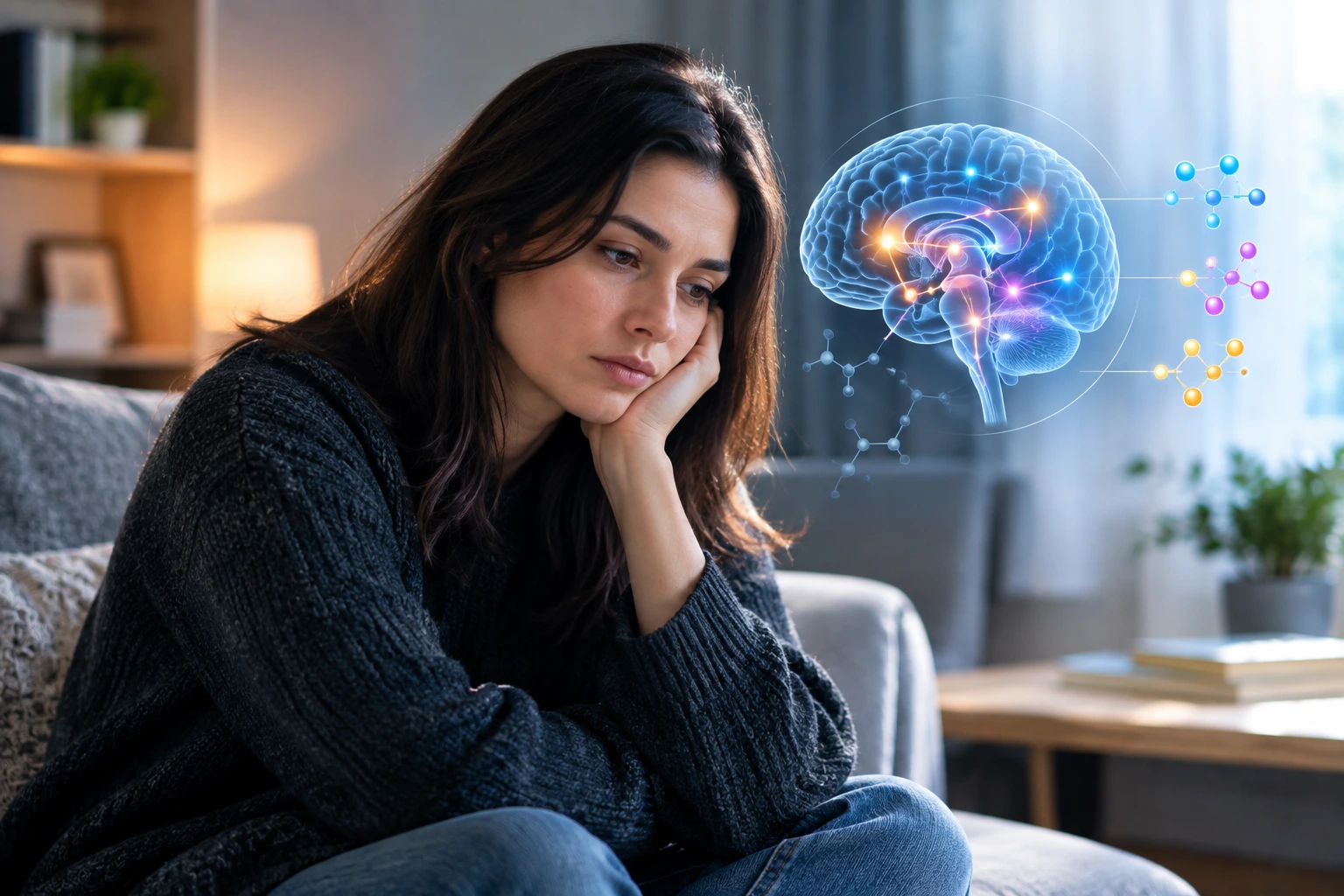
Depression is a complex mental health disorder that can affect millions of people. Many experts believe that it is caused by genetic, psychological and environmental factors. It is suggested that an imbalance in brain chemicals does not cause mental health conditions. The causes of depression and anxiety are due to a chemical imbalance in the brain.
A survey suggested that 80% of people think that a chemical imbalance in the brain causes depression. It still has not been proven that depression causes a chemical imbalance in the brain over the past 50 years. If you are also suffering from depression and anxiety, don’t worry because our FRC is offering different treatment programs like IOP and PHP that help you to get back to normal life faster.
Struggling with Depression or Anxiety? Get Help Today
You don’t have to face depression alone. Our Freedom Recovery Center offers treatment programs like IOP and PHP that help you recover faster with personalized care and professional support.
What is Chemical Balance in The Brain?
A chemical imbalance in the brain is defined as an abnormal excess or deficiency of specific chemicals called neurotransmitters. They help to carry signals from one nerve cell to another cell. There are some natural substances that help to facilitate communication between neurons. Examples are norepinephrine, serotonin and many more.
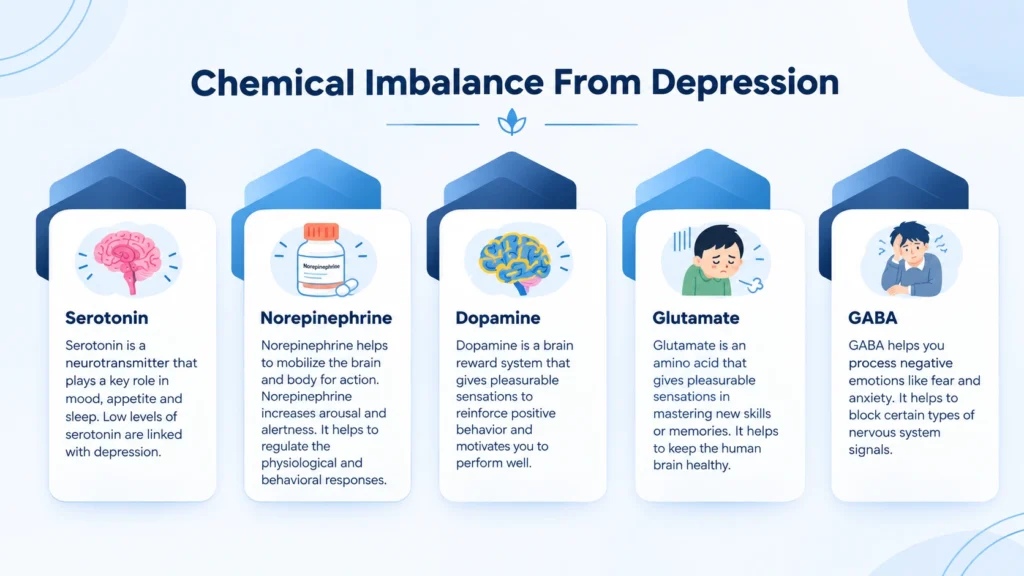
Types of Neurotransmitters Involved in Brain Activity
Neurotransmitters are the chemical messengers that send signals to the brain and central nervous system. They regulate some essential functions that help to improve mood, appetite, and movement. There are many types of neurotransmitters and every type plays a different role in the body.
- Serotonin
The scientific name of serotonin is 5-hydroxytryptamine. Serotonin is a neurotransmitter that plays a key role in mood, appetite and sleep. Low levels of serotonin are linked with depression. Many antidepressants are used to increase the level of serotonin in the brain. These chemicals affect mood, emotions and digestion.
- Norepinephrine
Norepinephrine (Noradrenaline) is known as the fight-or-flight response. It helps to mobilize the brain and body for action. Norepinephrine increases arousal and alertness. It increases restlessness and anxiety. It helps to regulate the physiological and behavioral responses. When you are in a stressful situation, norepinephrine is released, which allows the body to mobilize its response. Examples include increased heart rate and blood pressure to prepare the body for action. It also mobilizes energy by stimulating the release of glucose by the liver.
- Dopamine
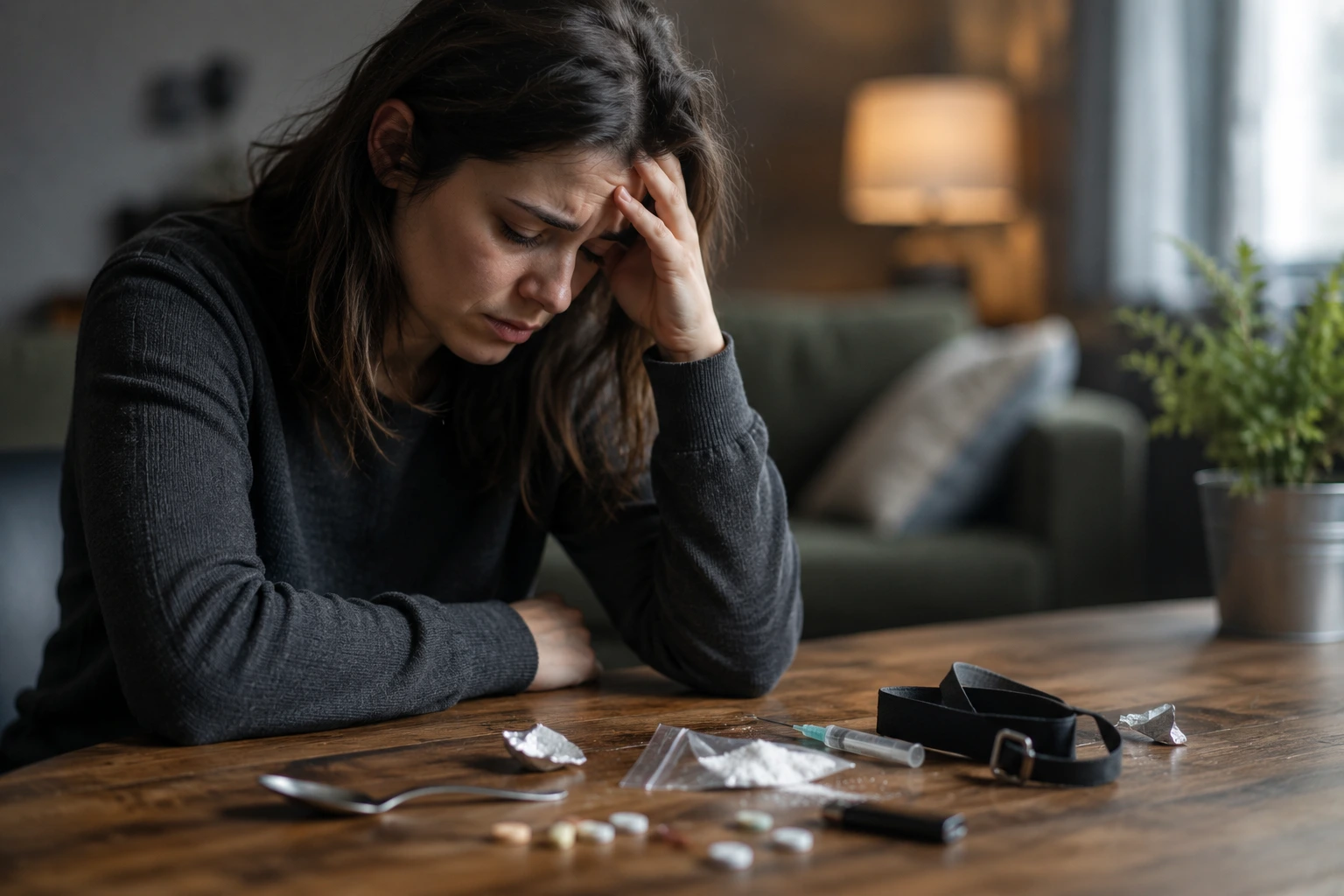
Dopamine is a brain reward system that gives pleasurable sensations to reinforce positive behavior and motivate you to perform well. Dopamine plays a significant role in the development of addiction. When you use drugs, dopamine is released, which gives you a pleasurable effect. Many people get addicted to this feeling.
Most people start getting addicted to drugs because they want that pleasurable effect. If you are also drug addicted and want to recover from drug addiction, our FRC is offering IOP for drug addiction that helps you achieve recovery faster because our staff uses different therapies and coping skills to make recovery easier.
- Glutamate
Glutamate is an amino acid that gives pleasurable sensations in mastering new skills or memories. Glutamate helps to keep the human brain healthy. It is a naturally occurring substance present in many foods.
- GABA
Gamma-aminobutyric acid is the short form of GABA. GABA helps you process negative emotions like fear and anxiety. It helps to block certain types of nervous system signals. Healthy GABA gives you more ease and makes you cool in stressful situations. GABA is known for producing a calming effect. It plays an important role in controlling nerve cell activity linked with stress, anxiety and depression.
What Is Depression?
According to the Anxiety and Depression Association of America, depression is a medical condition known as depressive disorder. It can make you sad and emotionally weak for a longer period. It can affect how you think, feel and function in your daily routine. Some people may also experience hidden symptoms that are harder to notice, which is why you can also read our guide on high-functioning depression to better understand how depression can affect daily life in subtle ways.
According to the World Health Organization, 4% of people experience depression. Depression is 1.5 times more common in women than men. If we talk about worldwide, 10% of pregnant women and women who have just given birth experience depression. In 2021, an estimated 727000 people lost their lives by suicide.
Types of Depression
Depression can come in different depressive symptoms. Depression causes memory loss and different mental health conditions. Here is an exclusive list of some common types of depressive disorders.
- Bipolar Disorder (Bipolar Depression)
- Seasonal Affective Disorder (SAD)
- Major Depressive Disorder (MDD)
- Postpartum Depression
- Persistent Depressive Disorder (Dysthymia)
- Psychotic Depression
- Depressive Episode
- Premenstrual Dysphoric Disorder
Is Depression Caused By Chemical Balance?
No. The chemical imbalance in the brain does not cause depression. Low levels of neurotransmitters like serotonin or norepinephrine can play an important role in depression. Some studies show that the chemical imbalance is not the main cause of depression. Multiple studies show that decreasing levels of tryptophan can consistently lead to depression or other mood disorders.
There are certain medications like Zoloft, Lexapro and Prozac that target chemical imbalances in the brain. They can help with low levels of serotonin or norepinephrine activity. By using these medicines, 46% of patients get fully well while receiving a combination of antidepressants.
Is Depression Genetic?
Many factors influence the development of depression. Family genetics play an important role in developing depression. Research has shown that family history of depression is increasing day by day. Some studies found that genetic factors in developing depression are not fully understood. So twin and family studies show that the heredity of depression is 37%. If you have a family history of depression, in combination with stress, it can also increase the prevalence of depression.
Ready to Overcome Depression? We’re Here to Help
Depression is treatable with the right support. Our experienced team at FRC provides comprehensive mental health and substance use treatment programs designed to bring you back to a normal and healthy life.
Effective Treatment For Depression Beyond Medication
Not everyone can experience the same level of depression or anxiety, so treatment plans are recommended based on the patient’s condition. Our Freedom Recovery Center staff thoroughly assesses the patient and deals accordingly to meet their goals quickly. We design treatment plans that help you with better recovery.
Detoxification (Detox)
Medically supervised withdrawal safely controls withdrawal symptoms. A professional team of doctors and psychologists monitors your vital signs to give medications and manage complications. We also offer a detox program to treat drug addiction effectively.
Inpatient Program
We offer an inpatient program where you stay during detox and early recovery. Our staff provides different therapies and structured daily routines. This treatment program is best for severe withdrawal and high risk of delirium tremens.
Intensive outpatient program (IOP)
Our Intensive Outpatient Program (IOP) provides evidence-based treatment for drug addiction while you live at home and keep your daily routine. A professional team at FRC provides frequent therapy sessions and relapse prevention skills. IOP offers flexibility to balance work and school with the best support.
Partial Hospitalization Program (PHP)
We also offer PHP that helps you recover from mental health and substance use conditions. Our professional and experienced staff use effective therapies and best clinical care that allow patients to return home at night.
Aftercare Program
Ongoing support after detox or inpatient treatment to prevent relapse. This can include regular counselling sessions or support groups with a doctor or addiction specialist. The aftercare program helps you maintain sobriety and manage triggers to adjust your treatment plan over time.
Find Professional Support at FRC to Get Recovery
Get professional help from our Freedom Recovery Center where compassionate care meets personalized treatment. At FRC, our experienced and certified staff offer IOP and PHP treatment programs that make recovery possible for those suffering from severe co-occurring conditions. Visit our website to quit the harder drugs faster.
Frequently Asked Questions About Chemical Imbalance In Depression
Can chemical imbalance be cured naturally?
Yes. There are some chemical imbalances that can improve naturally through exercise, sleep and stress management. Some severe cases still require professional treatment and medication.
How does depression affect the brain and body?
Depression causes inflammation and reduces the volume in the hippocampus and prefrontal cortex. It disrupts neurotransmitter function and accelerates cognitive decline.
What kills brain cells the most?
Cocaine and other substance use disorders kill brain cells. It prolongs untreated depression and severe chronic stress that produces excess glucocorticoids.
How do you know if your brain is declining?
There are some signs, like memory problems, confusion, mood changes, and struggling with daily tasks. These signs show that your brain is declining.
Can I live a normal life with depression?
Yes. Many people get better by getting the right treatment and support. Depression is treatable with some modifications in life like lifestyle changes and medication when needed. A person suffering from depression can work and maintain their life with proper care.
What drink increases dopamine?
Coffee and caffeinated drinks can increase dopamine activity in the brain. Caffeine affects dopamine signaling and may boost dopamine release in certain brain areas linked to alertness and mood. The effect of these drinks can vary depending upon the person’s capability.