Trauma-informed therapy is a special mental health approach used for individuals who have experienced trauma. It can impact a person’s mental, emotional, physical and spiritual health. Using a trauma-informed approach can help the individual recover from traumatic experiences in a safe and supportive environment. This approach’s main concern is to focus on safety, trust, and understanding, which can help you achieve recovery faster. This blog will help you understand how trauma-informed counseling can support long-term recovery by reducing the symptoms of anxiety, PTSD and mental health issues.
✨ Highlights:
- It focuses on safety, trust, understanding, and empowerment throughout the recovery process.
- Common trauma therapies include TF-CBT, EMDR, CISD, Narrative Exposure Therapy, and Prolonged Exposure Therapy.
- Trauma-informed counseling can help reduce symptoms of anxiety, PTSD, depression, and other mental health issues.
- It builds healthy coping skills, improves relationships, and increases self-awareness.
- Freedom Recovery Center offers licensed therapists, evidence-based treatments, and a PHP program for trauma-informed care.
What Is Trauma?
The Diagnostic and Statistical Manual of Mental Disorders states that trauma involves exposure to actual or potential situations like death, injury, or sexual violation. It can occur through the conditions mentioned below:
- Trauma can occur through experiencing traumatic events.
- Witnessing traumatic events happening to a person through friends and family.
- Experiencing physical, mental or psychological harm.
These traumatic experiences can lead to trauma, and if you can’t treat it properly, it can also make you vulnerable to co-occurring disorders.
What Is Trauma-Informed Therapy?
Trauma-informed therapy is an approach used to understand and respond to the effects of trauma. Trauma-informed care was first introduced in 2001 by Harris and Fallot. It provides a safe, supportive and empowering environment for individuals who have experienced trauma. Trauma-informed counseling addresses trauma and helps to identify the main causes of distress in a safe and supportive environment to achieve quick recovery.
Research shows that 70% of individuals have experienced a traumatic event at least once in their lifetime and 10% develop post-traumatic stress disorder (PTSD). The lifetime occurrence of PTSD ranges from 1.3% to 12.2% worldwide with 12 month prevalence varying from 0.2% to 3.8%.
A Safe Space to Heal and Grow
Our team is here to support your recovery with trust, respect, and evidence-based trauma therapies. Start your journey toward emotional wellness today.
How Does Trauma-Informed Therapy Work?
Trauma-informed care is common in health and social care and has a significant impact on psychological and neurological health. Trauma-informed therapies main focus shifts from “What’s wrong with you?” or “What happened to you?” This approach helps you find a safe and supportive environment in response to trauma.
Many people with borderline personality disorder(BDP) have a history of trauma. They use trauma-informed approaches to support effective recovery. We use different therapies, including dialectical behavioral therapy (DBT), mentalization-based therapy (MBT), and eye movement desensitization and reprocessing (EMDR). These therapies can help you reduce trauma-related symptoms like nightmares, anxiety, depression, and other mental health illnesses.
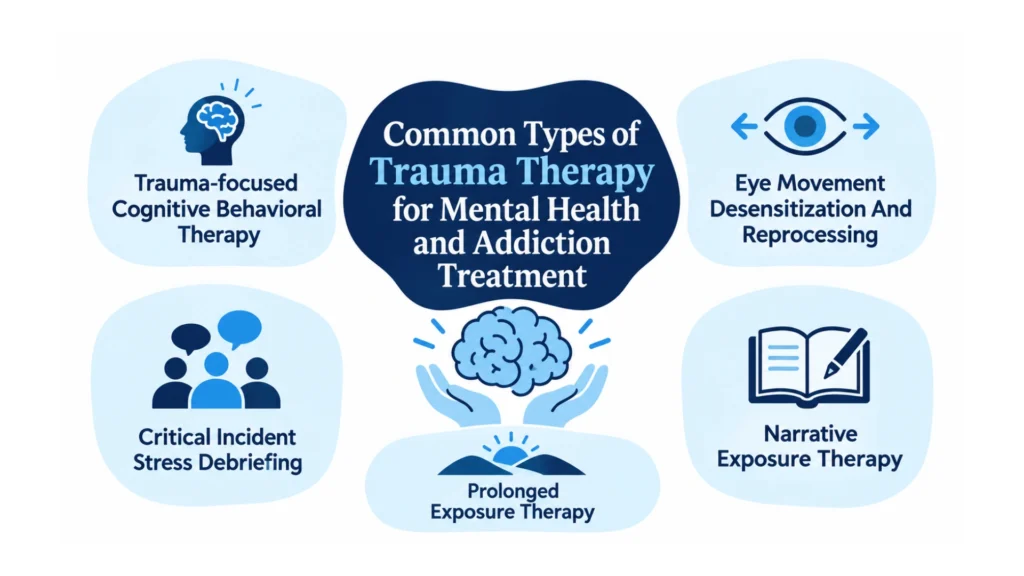
Common Types of Trauma Therapy for Mental Health and Addiction Treatment
Trauma therapy includes different evidence-based therapies that help individuals understand traumatic experiences and manage their trauma symptoms. These therapies can address anxiety, depression, PTSD and trauma-related triggers that may be linked to substance use. Explore the common types of trauma therapy to treat trauma and mental health problems.
- Trauma-focused Cognitive Behavioral Therapy (TF- CBT)
Trauma-focused cognitive behavioral therapy (TF-CBT) can help you identify and challenge negative beliefs. Its main aim is to address issues like self-blame, feelings of inadequacy and perceived danger. It mainly helps to treat the behaviors that can worsen trauma symptoms. The primary goal of TF-CBT is to reduce post-traumatic stress disorder among children and adolescents. It is designed to provide 12 to 16 sessions of outpatient treatment that can vary depending on the needs of the individual.
- Eye Movement Desensitization And Reprocessing (EMDR)
Eye movement desensitization and reprocessing is a trauma-informed therapy that was developed by Francine Shapiro. It is an eight-step trauma-focused psychotherapy that is mostly studied for the treatment of post-traumatic stress disorder (PTSD). The U.S. Department of Veterans Affairs states that it is an effective way to treat PTSD over approximately 3 months. This treatment can utilize bilateral stimulation to help individuals who have experienced trauma. This stimulation can occur in various forms, like left-to-right eye movements, tapping on knees, or headphones that are known as tappers.
- Critical Incident Stress Debriefing (CISD)
Critical Incident Stress Debriefing is a 7-phase, small-group supportive crisis intervention process. This crisis intervention technique is included under the umbrella of the Critical Incident Stress Management program. It is a simple, supportive, and crisis-focused discussion of a traumatic event. Its main aim is to reduce the duration and severity of stress.
- Narrative Exposure Therapy
Narrative Exposure Therapy is a trauma-focused psychotherapy used for individuals suffering from complex and multiple trauma. It is commonly used with individuals who have experienced trauma due to political, cultural, or social forces. It is recommended for 4 to 12 sessions and each session takes 90 minutes depending on the severity of the traumatic events.
The main procedure of NET is the reconstruction of the client’s life history. The individual and trauma-informed therapist create a written autobiography containing emotional memories from birth to the present. NET focuses on reconstructing the separate memories of traumatic experiences into a coherent narration.
- Prolonged Exposure Therapy
Prolonged exposure therapy is a first-line treatment for PTSD with response rates from 65% to 80%. It is an effective treatment for chronic PTSD and related depression, anxiety and anger. It is beneficial for those suffering from co-occurring disorders like PTSD and substance abuse when combined with substance use treatment. It delivers 8 to 15 sessions of prolonged exposure therapy to treat trauma-related situations.
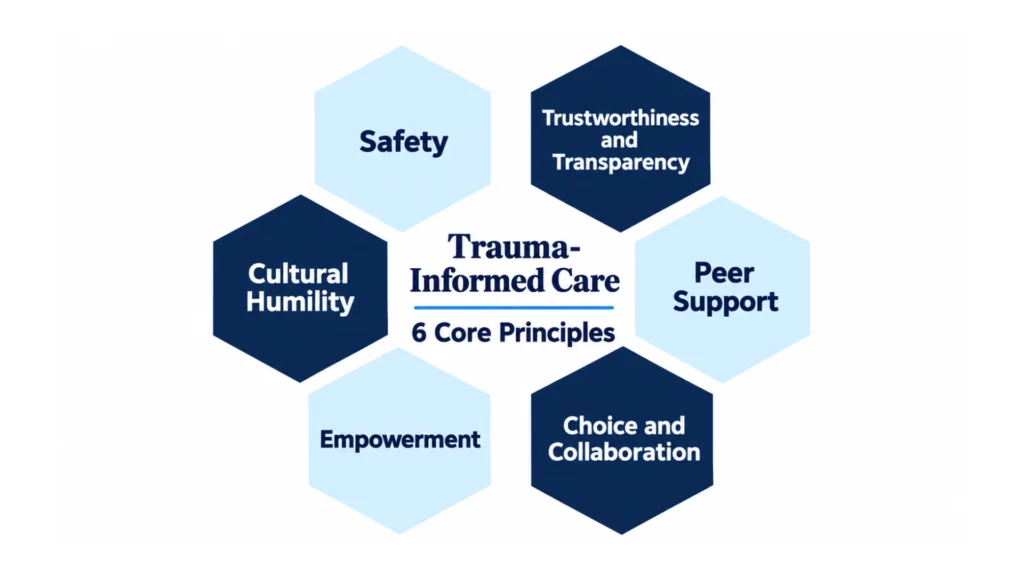
Techniques of Trauma-Informed Therapy
Trauma-informed therapy is not just an intervention; it helps individuals with a trauma history and specific needs overcome that situation. Trauma can affect a person physically and psychologically, which can significantly impact emotions and behavior. There are a few principles of trauma-informed therapy that are mentioned below.
Safety: Trauma-informed therapists make sure that the individual remains physically, emotionally, and psychologically safe.
Choice and Collaboration: Our trauma-informed counselors guide the patient in deciding the treatment that is appropriate according to their needs. The treatment plan is developed collaboratively between the patient and therapist.
Empowerment: We provide treatment that is strength-based. Strength matters to achieve recovery. Our trauma-informed therapists play the role of a collaborative partner in the therapeutic process.
Peer Support: Connecting with other people who have already experienced trauma can promote healing and hope.
Trustworthiness and Transparency: Our trauma-informed therapists at Freedom Recovery Center communicate clearly with patients about what is included in the treatment and how care will be provided. We also provide complete cost coverage of the treatment so patients do not face issues later.
Cultural Humility: We do not promote gender differences in treatment, whether you are male or female. Our professional therapists respect every person and help each individual achieve recovery.
What are The Signs That Show I Need Trauma-Informed Therapy?
If you are also suffering from a difficult or traumatic experience that affects your mind and body. The trauma-informed approach should be used if you are facing the signs that are mentioned below.
- Feel Anxious Or Stressed
- Difficulty Calming Down
- Emotional Weak
- Difficulty in Setting Boundaries
- Shame Or Guilt
- Feeling Disconnected With Any Person And Emotionally Weak
- Recurring Relationship Patterns That May Feel Painful
- Emotional or Mental Break
How Is Trauma-Informed Care Therapy Different From Traditional Therapies?
Trauma-informed therapy shows the impact of trauma and prioritizes safety, trust, and empowerment throughout the therapeutic process. The trauma-informed approach can understand the trauma effects on the brain, body and central nervous system that can damage emotional regulation, relationships and mental health.
Traditional therapy includes many therapies like cognitive behavioral therapy, dialectical behavioral therapy, and many holistic approaches that help to identify the person’s behavior and emotions that are causing struggles for the person. This approach is highly effective in treating mental health issues because the patient’s past trauma history is analyzed along with current symptoms.
If you are also looking for a trauma-informed therapist, our licensed therapists at FRC offer PHP for trauma-informed care. We arrange different therapies for the patient and use grounding techniques to talk about past experiences that can help you avoid painful experiences.
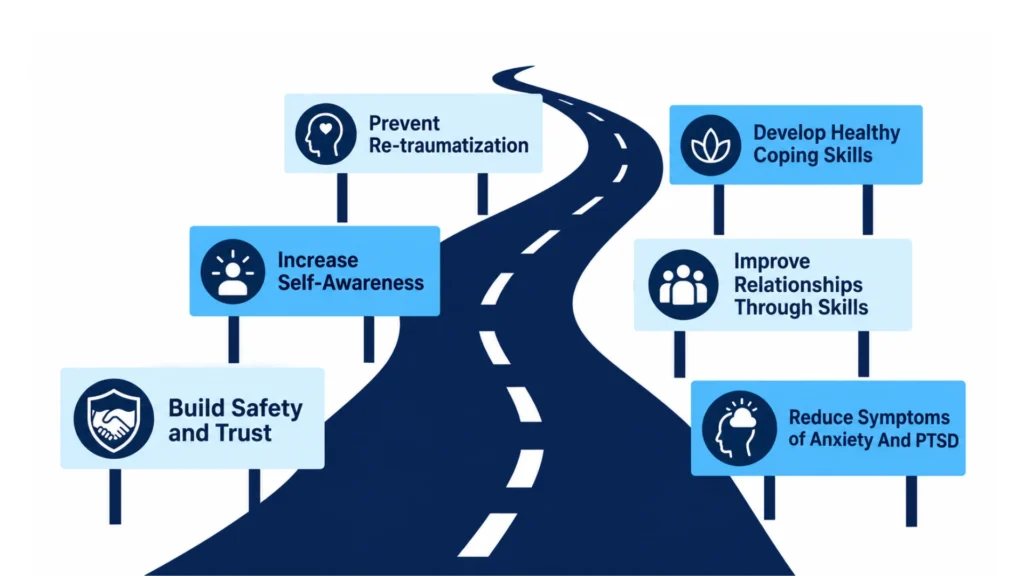
The Key Benefits of Trauma-Informed Counseling
Trauma-informed care counseling provides various benefits that support healing by prioritizing safety and trust throughout the process. It helps you understand the impact of trauma on the mind and body. Explore more benefits of trauma-informed therapy, like how it helps to manage symptoms and build coping skills to achieve recovery.
- Build Safety and Trust
Trauma-informed counseling builds trust and provides a respectful environment where you feel physically and emotionally protected. Our therapists use clear boundaries and transparent communication to help you relax and focus on treatment.
- Reduce Symptoms of Anxiety And PTSD
Trauma-informed therapy is mainly designed to reduce the symptoms of anxiety and PTSD by finding the root cause of distress. We use different evidence-based approaches like cognitive behavioral therapy, dialectical behavioral therapy, EMDR, and various grounding techniques that help to manage co-occurring disorders. Many people who are substance addicted can experience trauma when they decide to stop using substances. They may suffer from anxiety, depression, and other mental health issues.
- Prevent Re-traumatization
Trauma-informed therapy uses grounding techniques and helpful strategies to learn about past experiences of trauma. These techniques do not trigger the trauma again, and patients feel less fear in sharing their past trauma experiences. This careful approach helps to ensure healing without any harm.
- Increase Self-Awareness
Increasing self-awareness will help you understand how past traumas affect your current thoughts, emotions, and behavior. We always prefer therapeutic approaches before asking the patient about their past traumatic experiences. This awareness can help you achieve sobriety by making some changes.
- Improve Relationships Through Skills
Trauma-informed therapy improves your relationships by developing practical skills for communication and boundary setting. When you are involved in trauma-informed therapies, they help you connect with others without fear. It develops confidence and improves relationship skills that support the connection between family, friends, and partners.
- Develop Healthy Coping Skills
Healthy coping skills make you able to tackle trauma and other mental health issues. They involve mindfulness practices, grounding exercises, and tolerance exercises that avoid unhealthy habits and influence you to adopt a healthy lifestyle. These skills make you able to manage stress and trauma triggers.
How Freedom Recovery Center Supports You in Trauma-Informed Care
We support you in trauma-informed care by creating a safe, respectful and empowering environment where your past experiences are understood. Our licensed therapists use evidence-based approaches like DBT, MBT and EMDR to help you process trauma that feels right for you. We prioritize your physical, emotional and psychological safety by using clear communication, peaceful treatment planning and grounding techniques to prevent re-traumatization. Whether you need individual therapy, group support, family involvement, or holistic approaches like mindfulness and meditation, our team is always available to meet your needs.
Heal From Trauma With Personalized Support
Our licensed therapists use evidence-based therapies to help you manage trauma symptoms and build healthy coping skills. Take the first step toward lasting recovery today.
Begin Your Healing Journey With Trauma-Informed Care At Freedom Recovery Center
Begin your healing journey with trauma-informed care at Freedom Recovery Center where your safety, trust and problems come first. Our experienced therapists provide personalized support to help you understand your trauma and treat you with effective therapies. Our evidence-based therapies and PHP program help you treat trauma and build healthy coping skills to maintain long-term sobriety. Contact us at FRC to take the first step toward lasting recovery.
Frequently Asked Questions About Trauma-Informed Care Counseling
What is a trauma-informed therapist?
Trauma-informed therapy is an approach used to understand and respond to the effects of trauma. It provides a safe, supportive and empowering environment for individuals who have experienced trauma.
What are the 5 principles of trauma-informed care?
The five principles of trauma-informed care are safety, trustworthiness, choice, collaboration and empowerment. These principles help create a supportive treatment environment where individuals feel respected and in control of their recovery.
Is EMDR or CBT better for trauma?
Both EMDR and CBT can be effective for trauma, but the best option depends on the individual’s symptoms, severity, and trauma history. They help individuals identify and change the negative thoughts developed by trauma.
Who is not appropriate for EMDR?
EMDR may not be appropriate for individuals who are currently in crisis, experiencing severe dissociation, or unable to manage intense emotional distress. At FRC our qualified therapist assess each person’s condition before recommending EMDR.
How can I find a qualified trauma-informed therapist in New Jersey?
You can select Freedom Recovery Center in New Jersey by checking their license and reviews in trauma-informed therapies. We use evidence-based treatments like CBT, EMDR, DBT, and various holistic approaches to achieve recovery.