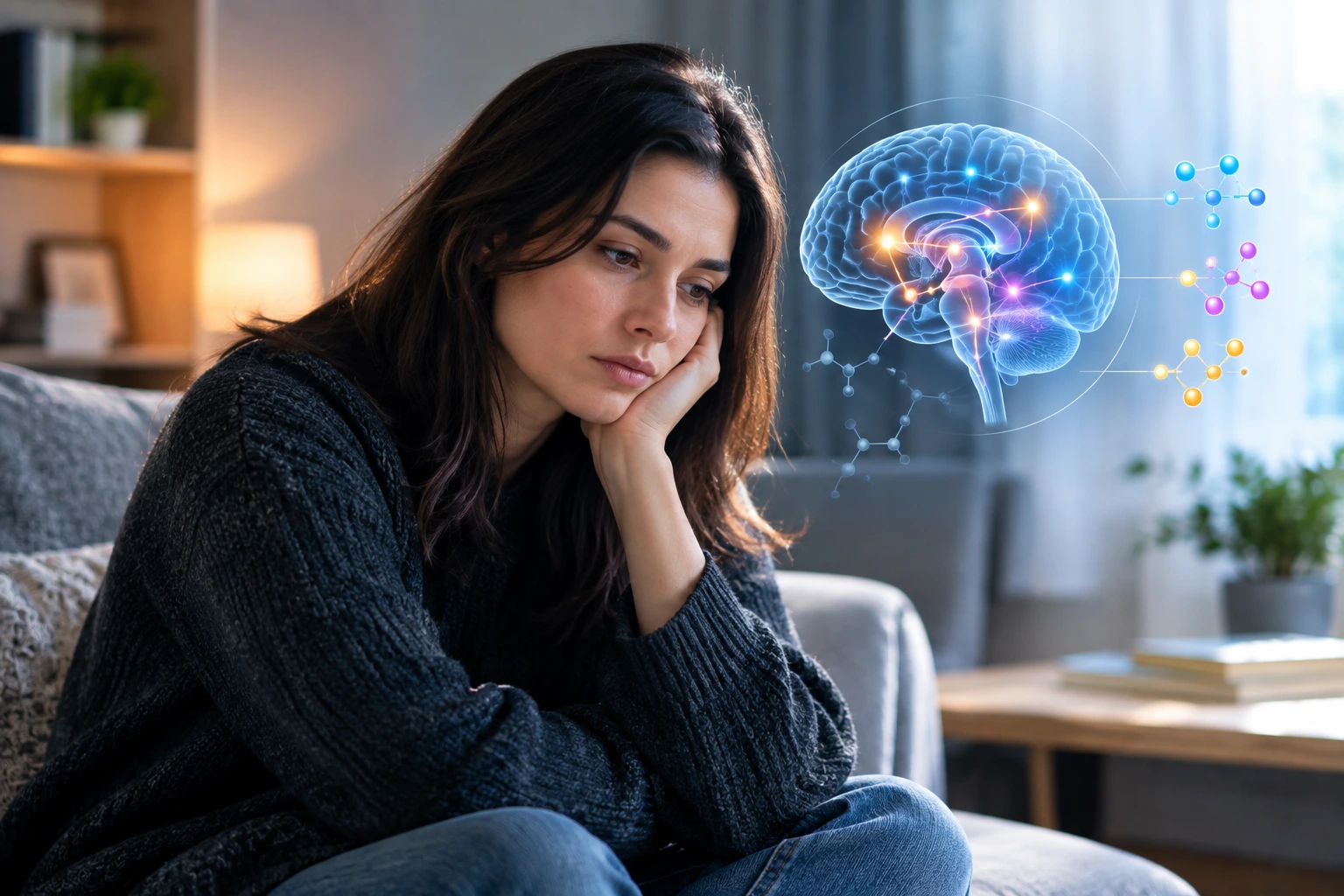
Anxiety and Alcohol Use Disorder (AUD) may occur together, developing a cycle that is difficult for individuals to break without professional help. Several individuals start drinking to cope with overwhelming emotions, manage social discomfort, and ease anxious thoughts. Alcohol may provide a temporary relief, but it changes brain chemistry and worsens anxiety over time. The co-occurrence of alcohol dependence and anxiety disorder leads to co-occurring disorders. At FRC NJ, we treat both conditions together through dual diagnosis treatment for lasting recovery.
✨ Highlights:
- Anxiety and alcohol use disorder can trigger each other and can occur together.
- Individuals may experience panic attacks and social anxiety due to alcoholism.
- Alcohol addiction influences Generalized Anxiety Disorder and PTSD.
- FRC NJ offers dual diagnosis treatment to address both conditions simultaneously.
What is Anxiety?
Anxiety is a natural response to perceived danger or stress. It is usually based on worried thoughts and feelings of tension. The persistent feelings of nervousness, worry, or fear interfere with daily life and indicate an anxiety disorder. Generalized Anxiety Disorder (GAD), specific phobias, Social Anxiety Disorder (SAD), panic disorder, and Separation Anxiety Disorder are common types of anxiety disorders.
The symptoms of anxiety may include racing thoughts, constant worrying, difficulty concentrating, restlessness, rapid heartbeat, panic attacks, trouble sleeping, and muscle tension. Getting timely help is necessary to overcome anxiety that affects the quality of life, work performance, and relationships.
What is Alcohol Use Disorder (AUD)?
Alcohol use disorder is a chronic medical condition in which individuals become unable to control their alcohol consumption despite the negative consequences. Individuals with alcohol addiction may drink more than intended, develop tolerance, experience withdrawal symptoms and cravings, and spend time drinking. Moreover, they also continue drinking despite work, family, or health issues.
Individuals can experience mild to severe alcoholism. Alcohol addiction may lead to serious psychological, emotional, and physical complications. Every individual struggling with alcohol dependence needs to consider personalized treatment to address the underlying causes for long-lasting recovery.
What is Hangxiety?
Hangxiety is a chronic condition that highlights the occurrence of anxiety during or after a hangover. It may include feelings of unease, worry, or dread. Hangxiety usually occurs when the brain tries to rebalance its chemistry after alcohol leaves the body, leading to physical jitteriness and heightened stress.
Individuals who drink alcohol, especially in large amounts in a short time, experience hangxiety, even though it is not a medical diagnosis. When the brain starts to restore the natural chemical balance, the rebound effect may increase the feelings of irritability, guilt, worry, and nervousness. Moreover, hangover anxiety may become more severe for individuals with pre-existing anxiety disorders.
What is the Bidirectional Relationship Between Anxiety and AUD?
The relationship between anxiety and alcohol use disorder is bidirectional because both conditions trigger each other. For instance, individuals with anxiety may use alcohol as a self-medication for stress, but chronic alcohol consumption badly affects brain chemistry and worsens the anxiety.
The two-way relationship of AUD and anxiety may result in a cycle that is not easy to break without professional treatment. An integrated treatment is required for co-occurring anxiety and alcohol dependence because anxiety may fuel AUD, and alcohol addiction can lead to anxiety. A dual diagnosis treatment treats both conditions and improves lasting sobriety.
Does Alcohol Cause Anxiety?
Alcohol consumption may contribute to anxiety, especially with heavy or binge drinking. Initially, alcohol acts as a depressant that provides relaxation temporarily because its effects wear off with metabolism. It can trigger a rebound response in the nervous system, causing nervousness and restlessness in individuals with alcohol misuse.
Long-term alcohol addiction can disrupt neurotransmitters that are responsible for mood regulation, while making it difficult for the brain to overcome anxiety naturally. Individuals with regular anxiety after alcohol consumption may consider receiving immediate alcoholism treatment.
Does Alcohol Make Anxiety Worse?
While alcohol use may help individuals manage anxious feelings temporarily, it makes anxiety worse over time. Regular drinking may interfere with health while disrupting emotional regulation and increasing stress hormones.
Individuals with existing anxiety disorders may experience increased social anxiety, more frequent panic attacks, and irritability. They can note sleep disturbance, difficulty concentrating, and increased emotional sensitivity. The symptoms become more prominent during alcohol withdrawal or hangover.
Struggling with Anxiety and Alcohol Addiction?
Contact us today for the initial assessment to determine the right level of care needed to overcome both conditions simultaneously.
What is the Self-Medication Hypothesis in Anxiety and AUD?
The self-medication hypothesis indicates that some people use alcohol to overcome emotional distress rather than seeking only intoxication. Individuals with anxiety disorders may drink to reduce their tension or fear.
This coping strategy may offer short-term relief, but it does not address the underlying causes of anxiety disorders. Tolerance is developed with the passage of time, requiring binge or heavy drinking to feel similar effects. This drinking pattern may increase the risk of alcohol dependence while also worsening anxiety symptoms.
How Many People with Anxiety Disorders also have AUD?
According to PMC, the rate of Generalized Anxiety Disorder (GAD) is approximately 24% to 46% for people with substance or alcohol use disorder. Estimated 20% to 40% of individuals with an internalizing disorder experience AUD according to a medical school research. These figures indicate a strong connection between anxiety and alcohol use disorder.
Individuals with anxiety can develop problematic alcohol use compared to people without anxiety. Similarly, individuals receiving treatment for alcohol addiction may also meet criteria for anxiety disorder. Treating alcohol dependence and co-occurring anxiety at an early stage offers a long-term recovery experience.
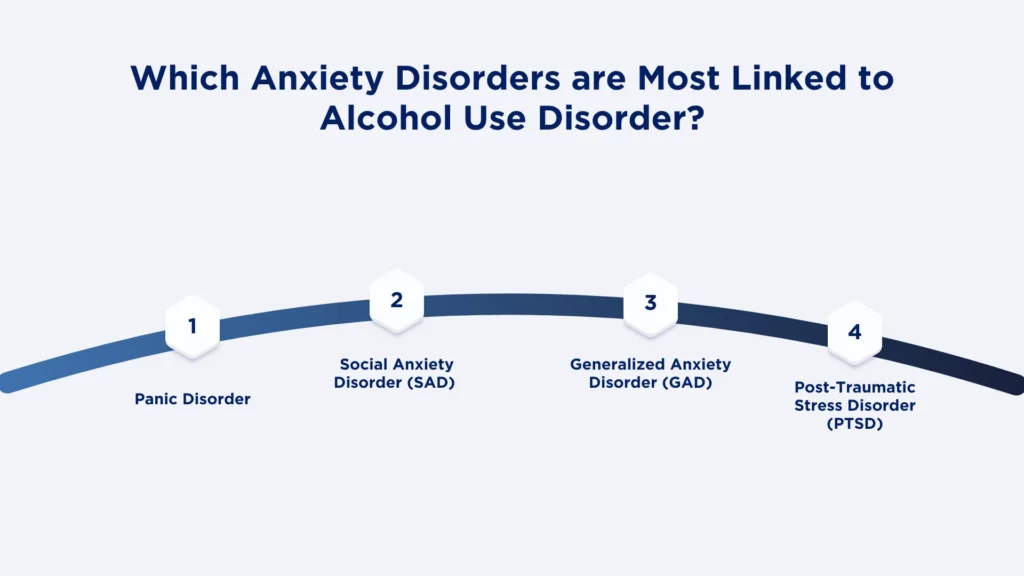
Which Anxiety Disorders are Most Linked to Alcohol Use Disorder?
Any anxiety disorder can co-occur with alcohol abuse. However, there are specific conditions strongly linked with alcohol use disorder. The reason for the strong connection between alcoholism and these anxiety disorders is how they affect individuals’ emotional health and daily functioning.
Panic Disorder
Individuals with panic disorders may experience immediate episodes of intense fear with physical symptoms like shortness of breath, dizziness, increased heartbeat, and chest pain. That’s why some individuals start drinking to reduce or prevent panic attacks. However, alcohol withdrawal may increase panic symptoms and Alcohol Withdrawal Syndrome (AWS).
Social Anxiety Disorder (SAD)
It is one of the most common anxiety conditions, which is associated with alcohol misuse. People may start alcohol consumption before different social situations like work meetings and parties, to increase their confidence and reduce nervousness. This habit may develop physical dependence on alcohol over time, making social interaction challenging without drinking.
Generalized Anxiety Disorder (GAD)
This anxiety disorder usually involves persistent and excessive worry about daily situations. Anxiety is an ongoing disorder; some people consume alcohol to temporarily overcome racing thoughts while promoting relaxation. Alcohol may seem helpful, but repeated use usually worsens anxiety symptoms and leads to alcohol use disorder.
💡 Did You Know
Generalized Anxiety Disorder (GAD) is a prevalent anxiety disorder approximately 3.5% of the US population every year.
Post-Traumatic Stress Disorder (PTSD)
Individuals living with PTSD may experience emotional distress, hypervigilance, nightmares, and intrusive memories. Some individuals turn to alcohol to numb these symptoms or improve sleep quality. However, alcohol consumption increases emotional instability and risk of developing alcohol dependence while leading to Post-Acute Withdrawal Syndrome (PAWS).
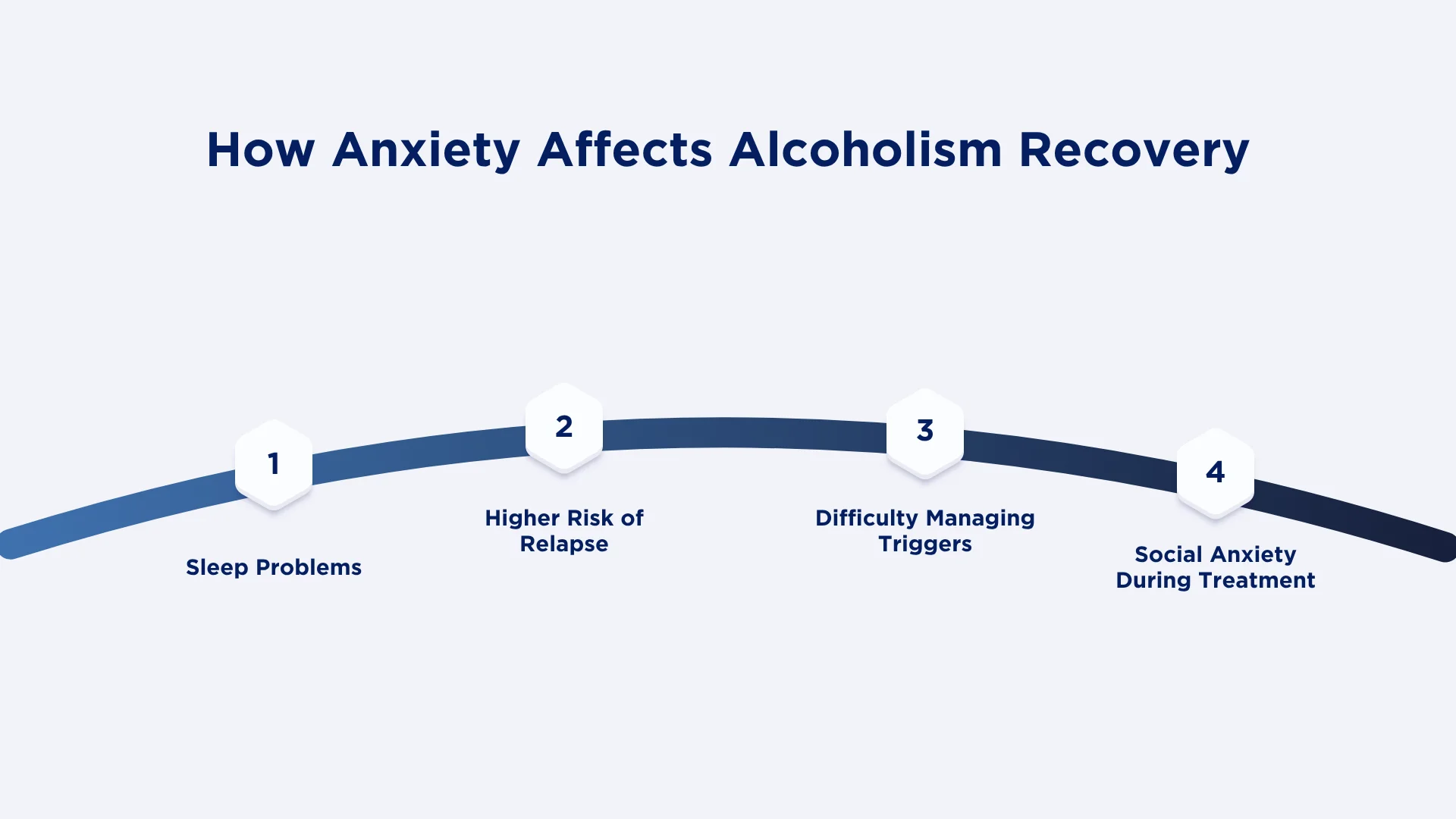
How Anxiety Affects Alcoholism Recovery
Recovering from alcohol addiction is more about stopping drinking. The anxiety can interfere with recovery progress if it is not treated simultaneously. It can easily raise the risk of relapse while increasing cravings. Treat both conditions together to build a solid foundation for long-lasting recovery.
Sleep Problems
Anxiety and alcohol misuse may disrupt healthy sleeping patterns. Alcoholism may make individuals feel sleepy initially, but it affects sleep quality and leads to frequent awakening. Anxiety can also contribute to insomnia, making it challenging to overcome racing thoughts or relax. Poor sleep affects emotional regulation, concentration, and mood. That’s why it becomes difficult for individuals to focus on their recovery.
Higher Risk of Relapse
Untreated anxiety is one of the significant factors that contribute to relapse during alcohol addiction recovery. Individuals may return to alcoholism for temporary relief in case of overwhelming panic, worry, or stress. It becomes difficult for individuals to manage their intense emotions and the higher risk of relapse. Individuals may also experience cravings for alcohol due to their anxious feelings.
Difficulty Managing Triggers
Work-related issues, financial pressures, relationship conflicts, and stressful life events may trigger both alcohol cravings and anxiety among individuals. These triggers may lead individuals to alcoholism because both anxiety and alcoholism can easily influence each other. Therefore, individuals cannot manage stressful conditions.
Social Anxiety During Treatment
Several individuals recovering from alcohol use disorder may worry about socializing without alcohol or attending the structured treatment sessions. It may lead individuals to social anxiety that makes treatment feel intimidating while discouraging participation in structured sessions. Individuals also lose their confidence and avoid engaging with others without depending on alcohol.
What are the Signs of Co-Occurring Anxiety and AUD?
Recognizing the signs of alcohol use disorder and co-occurring anxiety disorder is the first step towards long-term recovery. The symptoms can vary from one individual to another, but most of them experience behavioral, physical, and emotional signs. Emotional warning signs include irritability, panic attacks, mood swings, persistent fear, overwhelming feelings, and difficulty concentrating.
Fatigue, trembling, sweating, fast heartbeat, sleep disturbance, and muscle tension are common physical signs of self-medicating anxiety with alcohol. Drinking to manage anxiety, withdrawal symptoms, increased alcohol tolerance, and avoiding situations without alcohol are behavioral signs of alcohol induced anxiety. Repeated failed attempts to stop drinking and neglecting family or work responsibilities are also potential behavioral warning signs.
How are Anxiety and AUD Diagnosed Together?
Diagnosing alcohol addiction and co-occurring anxiety disorder requires a detailed evaluation by licensed healthcare professionals. The symptoms of anxiety and alcohol use disorder usually overlap, and professional clinicians assess both conditions to develop a treatment plan.
The comprehensive assessment may include the medical history, alcohol abuse history, mental and physical health evaluation, past trauma, and family history. At FRC NJ, our certified team conducts thorough evaluations for both conditions to address them with personalized treatment.
Why is Treating Anxiety and AUD Together Better than Separately?
An integrated treatment addresses both alcohol dependence and anxiety disorder at the same time. These two conditions influence one another; addressing only one condition may leave the other untreated. The dual diagnosis treatment for treating both conditions simultaneously reduces risk of relapse and improves overall health while offering better emotional regulation.
Individuals note improvement in their physical and mental health with more effective coping skills. The personalized treatment that addresses underlying causes also provides long-lasting recovery outcomes. Individuals gain the effective skills to manage anxiety without alcohol use by treating them together.
What Therapies Work for Anxiety and Alcohol Use Disorder
The successful treatment approach for AUD and anxious feelings combines evidence-based therapies to address substance use and mental health symptoms. Personalized treatment plans tailored to every individual’s needs may include effective therapy approaches to help individuals manage anxiety without using alcohol.
Cognitive Behavioral Therapy (CBT)
CBT therapy for alcohol use disorder and anxiety may help individuals understand and address the negative thinking patterns. The licensed and experienced therapists also guide individuals to develop healthy coping skills to manage both alcohol cravings and anxiety.
Dialectical Behavior Therapy (DBT)
DBT therapy teaches interpersonal effectiveness, distress management, emotional regulation, and mindfulness to individuals struggling with alcohol dependence and anxiety at the same time. It helps them to cope with intense emotions without depending on alcohol.
Trauma-Informed Therapy
Individuals may have turned to alcohol use and experienced anxiety due to past trauma. The structured trauma-informed therapy sessions offer a supportive and safe environment to individuals for a smooth healing journey.
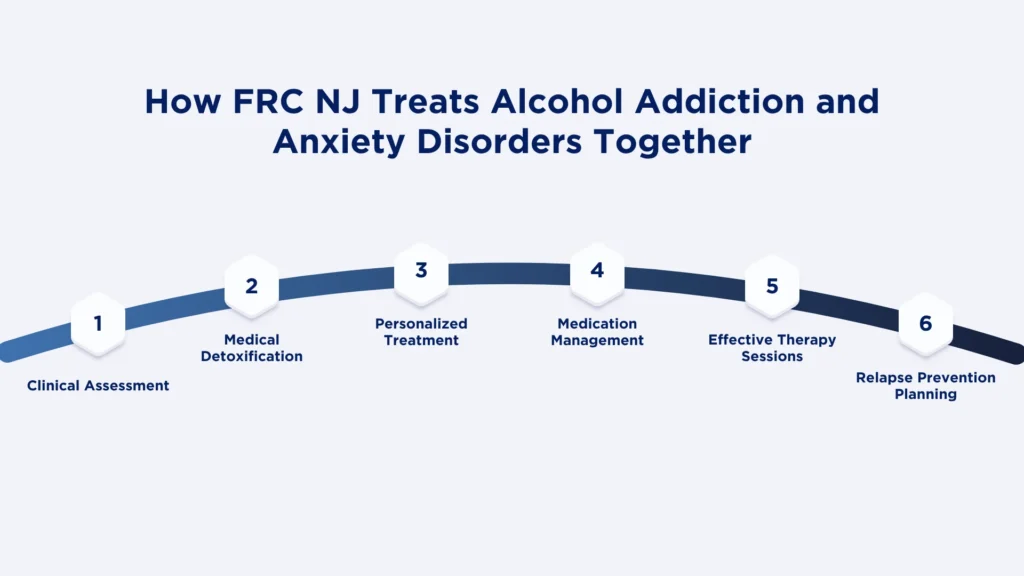
How Freedom Recovery Center NJ Treats Alcohol Addiction and Anxiety Disorders Together
The certified professionals at the Freedom Recovery Center NJ have experience in treating individuals struggling with alcohol consumption and co-occurring anxiety. We address both conditions simultaneously to reduce the risk of relapse while helping individuals manage mental health challenges.
Clinical Assessment
The recovery journey starts with a detailed clinical evaluation. Our team assesses family history, mental and physical health, trauma history, alcohol use history, and recovery goals. This assessment helps us determine the severity of both conditions and offer a personalized treatment plan.
Medical Detoxification
A medical detox program is the first, safe step for individuals struggling with alcohol dependence. Alcoholism withdrawal may cause symptoms like anxiety, seizures, insomnia, and delirium tremens. Our medical professionals oversee individuals during detoxification to help them manage withdrawal symptoms.
Personalized Treatment
Two individuals usually do not experience alcohol and anxiety in the same way. That’s why we provide a personalized treatment in PHP or IOP to every individual based on diagnosis, medical history, personal challenges, and recovery goals. We also adjust the treatment depending on the individual’s progress.
Medication Management
Medication is an integral part of treatment for individuals struggling with anxiety and alcohol use disorder. Our medical team carefully assesses whether medication can help in reducing anxiety symptoms while supporting alcohol recovery and mood stabilization. Medication improves treatment effectiveness and minimizes potential side effects.
Effective Therapy Sessions
Therapy acts as a foundation for dual diagnosis treatment to address anxiety and alcohol use disorder simultaneously. Individuals participate in effective therapeutic sessions, which help them overcome the disorder. These therapies help individuals develop healthy coping skills by understanding the connection between emotions and thoughts.
Relapse Prevention Planning
The recovery journey continues long after the completion of treatment. The treatment team provides a personalized relapse prevention plan through the identification of personal triggers and an ongoing therapy schedule. Structured relapse prevention helps individuals maintain long-term recovery.
Ready to Treat Your Alcoholism and Anxiety Together
Schedule your appointment today at the Freedom Recovery Center and start your journey towards lasting recovery.
Available Levels of Care for Alcoholism and Anxiety Treatment
Freedom Recovery Center NJ offers structured levels of care to meet individuals’ needs for a smooth recovery journey. The level of care is often personalized depending on alcohol abuse and health history.
Partial Hospitalization Program (PHP)
Individuals need to consider the partial hospitalization program for alcoholism if they are struggling with moderate to severe alcohol addiction and anxiety. This level of care enables individuals to attend daytime treatment and return home in the evening.
Intensive Outpatient Program (IOP)
People experiencing mild to moderate anxiety and alcohol dependence may enroll in the intensive outpatient treatment for alcohol to achieve a flexible recovery experience. They can attend scheduled treatment while continuing their daily responsibilities.
What are Healthy Alternatives to Drinking for Anxiety Management
Alcohol consumption may provide temporary relief, but healthier coping strategies reduce anxiety without increasing the potential risk of dependence. Effective alternatives include deep breathing exercises, mindfulness meditation, journaling, regular physical exercise, and spending time outdoors. Individual counseling, talking with trusted friends or family, eating a nutritious diet, maintaining consistent sleep, and practicing stress management are also healthy options.
Start Anxiety and Alcohol Use Disorder Treatment at FRC NJ
Living with anxiety and alcohol use disorder may feel overwhelming, but lasting recovery is possible with the right treatment approach. Treating both conditions simultaneously allows you to achieve long-term sobriety and improve mental health. Let’s get in touch with us today and regain control of life!
Common Questions About Alcoholism and Anxiety Answered
Here are answers to the frequently asked questions about anxiety and alcohol use disorder.
Does alcohol cause anxiety and depression?
Yes, alcohol causes anxiety and depression because of its bidirectional relationship with both conditions. Alcohol use may offer a short-term relief, but it changes the brain chemistry that causes and worsens anxiety.
Does drinking make anxiety worse the next day?
Yes, drinking makes anxiety worse the next day. Alcohol is a depressant substance that affects the brain chemistry and makes it difficult for the brain to restore its balance. That’s why anxiety becomes worse due to the effects of alcohol on neurochemical balance.
What is the difference between alcohol-induced anxiety and primary anxiety?
Alcohol-induced anxiety is a result of alcohol hangover, intoxication, or withdrawal that improves after stopping drinking. Primary anxiety exists independently of alcohol consumption and requires ongoing treatment.
Does anxiety go away when you stop drinking?
Yes, anxiety goes away when you stop drinking. However, it may temporarily increase withdrawal or stress (hangxiety) during the first few days to weeks of breaking the cycle of alcohol dependence.
How long does it take to treat anxiety and AUD together?
The duration of treatment for addressing anxiety and AUD together varies depending on the severity of the conditions, level of care, and individual recovery progress. Some individuals may recover within approximately 30 to 90 days.
What is the link between alcohol and anxiety?
Alcohol is a depressant substance that artificially increases dopamine and GABA to provide temporary calmness. These levels crash when the effects of alcoholism wear off, triggering cortisol and causing anxiety.