
Importance of Family Support in IOP
When an individual has a problem with drug or alcohol abuse, it affects the whole family in many ways. This includes emotional, financial, and spiritual losses they have to go through. It is difficult for loved ones to understand why their help “isn’t enough” or how to help without making things worse. Healing is not a solo task, but rather it’s a shared journey.
Our Family IOP fills in that gap by giving families a safe, structured space where they can
Understand how addiction works and why it affects relationships.
Learn how to talk to one another and establish appropriate limits.
The individual who is recovering feels like they have support without feeling controlled or judged
Overview of Our IOP for Families and Support Networks
Our Family and Support Networks IOP works together with traditional treatment, helping both individuals and their families heal at the same time.
It’s a structured, part-time program that includes
Educational workshops
about addiction, codependency, and the phases of recovery.
Therapy sessions
to let people communicate to each other and trust each other again.
Support groups
where family members connect and share their stories.
Interactive activities
for people focusing on teamwork, emotional awareness, and setting boundaries
Core Parts of Our Family IOP
We at Freedom Recovery Center have created a program that combines treatment, family education, and fixing real-life relationships.

Family Therapy Sessions
These sessions, led by certified family therapists, look at how family members feel about each other. We deal with unresolved grief, reestablish trust, and set up open communication, which is the key to long-term recovery. Understanding addiction removes blame and turns anger into compassion

Psychoeducation Workshops
Knowledge gives you power. Families learn about:
. The science behind addiction
. What signs to look for relapse and how it happens
. Difference between enabling and supporting behaviour
. The role of emotional triggers within the family
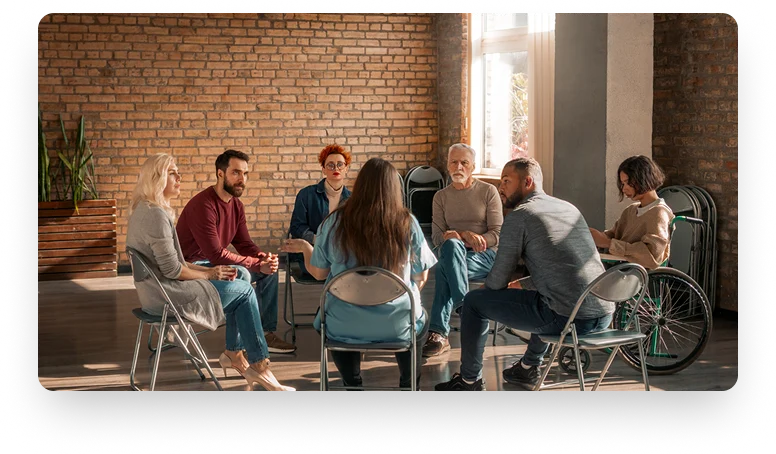
Group Support Meetings
Families meet other people who are going through the same things. These sessions help people to talk about their problems, get support, and let out their feelings. They remind everyone that they are not alone in their fight against addiction.

Communication & Boundaries Coaching
Families learn how to clearly communicate with each other, settle arguments peacefully, and set appropriate boundaries through workshops. These abilities help you deal with stress at home and build respect for each other.
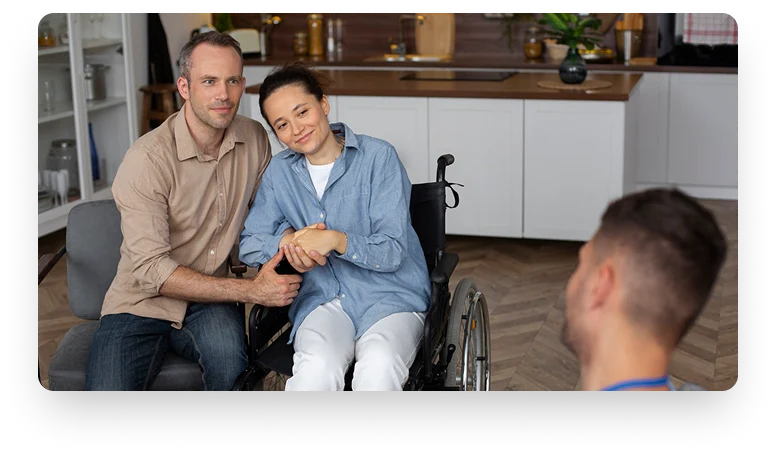
Support for Parallel Recovery
The individual in recovery stays on their own IOP track while their loved ones take part in the Family IOP. This parallel process lets both sides recover at the same time while learning how to talk to each other in healthier, more helpful ways.

Wellness Practice
Families learn how to deal with emotional distress and find peace in their everyday lives with yoga, mindfulness sessions, and stress-reduction workshops.
Right Candidates for Family IOP
Our program is for: You have an important role to play no matter what stage of treatment your loved one is in.
- Parents, wives, or partners of individuals in recovery
- Have completed detox or residential treatment.
- Need structure and support during recovery.
- Want to balance therapy with daily life.
- Seek a safe and compassionate space to heal.
- Close friends or family members involved in the support system

How Families Benefit From Program
Healing as a family takes time, but participating in our Family IOP can transform relationships and create lasting positive change. Families who engage in the program often experience better communication, reduced tension, and a deeper understanding of each other’s emotions. They learn how to forgive, rebuild trust, and strengthen bonds that may have been strained by addiction.
The program also equips family members with practical strategies to provide support in a healthy way, without enabling harmful behaviors. Many report feeling less fear of relapse, improved ability to manage stress, and greater confidence in navigating difficult situations together. Above all, families often rediscover love, hope, and a sense of connection, while gaining the tools and awareness needed to maintain long-term emotional balance and support each other’s recovery journey.
- Close friends or family members involved in the support system
- Improved understanding of emotions and the ability to forgive
- More support in recovery the right way
- Less fear of relapse and better ways to deal with stress
A Day in the Family IOP
A normal day in IOP for family and support network looks like this:
Morning
Exercise for guided mindfulness or stress relief Workshop for learning about family systems and recovery
Afternoon
Family therapy or communication coaching session Group meeting with other families to get support
Evening
Activities for shared reflection or goal-setting exercise Learning skills to make things better in your family
9:00 AM - 12:00 PM
Morning Session
Begin your day with a check-in for the group, followed by a CBT class to look at thought patterns and create strategies for coping. Medical check-ups ensure your overall health.
2:00 PM - 4:00 PM
Afternoon Therapy
Participate in an hour-long group therapy session in which you exchange ideas and receive help and then have a meeting with a therapist who will help you improve your recovery goals.
4:00 PM - 5:00 PM
Late Afternoon Integration
Finish with some kind of holistic exercise, such as yoga or nutritional planning to incorporate mind-body health in your recovery.
The Freedom Recovery Difference
Freedom Recovery Center treats you as a whole person, not just your condition. Though many treatment facilities separate addiction recovery and mental health therapy, it isn’t the right way.
Family-Centered Care
We see recovery as a shared experience.
Holistic Healing
Focusing on emotional, psychological, and relationship aspects.
Evidence-Based Practices
Use of family systems therapy, CBT, and trauma-informed care.
Experienced Clinicians
Our therapists specialize in family dynamics and addiction recovery.
Aftercare
Continued support for families even after program completion.

Take the Courageous Step Toward Family Healing
Addiction breaks connections and recovery rebuilds them. Our IOP for Family and Support Systems at Freedom Recovery Center provides you and your loved ones the skills you need to understand each other again, talk to each other with kindness, and create a home where recovery feels safe and attainable. Call us now to talk to a family admissions specialist. Or fill out our confidential contact form because recovery together begins with one small, bold step.
- Available 24/7
- • Confidential
- • Free Consultation
Frequently Asked Questions
What is an IOP for family and support networks?
Intensive Outpatient Program (IOP) for families and support systems is a structured treatment program to help your loved ones struggling with addiction. It provides education about addiction, emotional support, communication skills, and practical tools to create a safe home environment that supports long-term recovery.
Why is family involvement so important in addiction recovery?
Studies show that individuals in recovery have a higher success rate when their families are involved. Family participation helps to manage enabling behaviors, rebuild trust, and create accountability.
Who can participate in the family IOP?
The program is open to anyone who has an important role in the participant’s life such as parents, spouses, partners, siblings, adult children, or close friends. Some family IOPs also allow virtual sessions for members who live out of town.
What topics are covered in a family-focused IOP?
Our program covers a range of topics, including:
- Understanding the science of addiction and co-occurring disorders
- Rebuilding communication and trust
- Coping with stress, anxiety, and codependency
- Setting healthy emotional and physical boundaries
- Learning relapse prevention
Do family members attend therapy with their loved one?
Yes, in many cases. Family members may participate in joint therapy sessions, family group discussions, and educational workshops. However, there are also separate sessions designed exclusively for family members.