
IOP: A Life-Changing Decision
Most programs only talk about abstinence when relapse seems like it’s “just around the corner.” We teach people how to be strong and prepared for relapse.
Predictive, Not Reactive
Relapse doesn't just happen out of the blue. It follows patterns, warning indications, and stress points. Our program teaches you how to recognize red flags early on, both internal (emotions and thoughts) and external (people, locations, and routines). You will develop a relapse prevention plan unique to you and tailored to your life, triggers, and duties.
Stepping into Your Daily Life
Our IOP keeps you in your environment, unlike full residential care, where you walk out of life. This means you face the real tests. This gives the training real purpose and makes it useful right away. You create habits that will keep you from relapsing as you work, go to school, or take care of your family.
Skill and Structure Focused
We use evidence-based treatments like CBT, DBT, and relapse-prevention models together with hands-on skill-building activities including emotional regulation tools, coping strategies, communication repair, and lifestyle redesign. You don't simply learn what a relapse is; you also practice what to do when it happens.
Community and Accountability
Connection, not isolation, is what helps recovery. Group therapy allows you the chance to learn from others, share your own experiences, and be held accountable. Individual sessions are tailored to fit your needs. We all keep track of your progress, your slip-ups, and your support systems.
A long-term view
This isn't a quick fix. It's a phase of healing when you become stable, acquire strength, and get ready for the next level of freedom. You don't simply get out of therapy; you transition into life.
Breakdown of Our IOP for Relapse Prevention

Detox & Stabilization
We evaluate your past, any relapses you've had, any co-occurring issues, your lifestyle, and your support system. We work together to build a personalized relapse prevention blueprint.
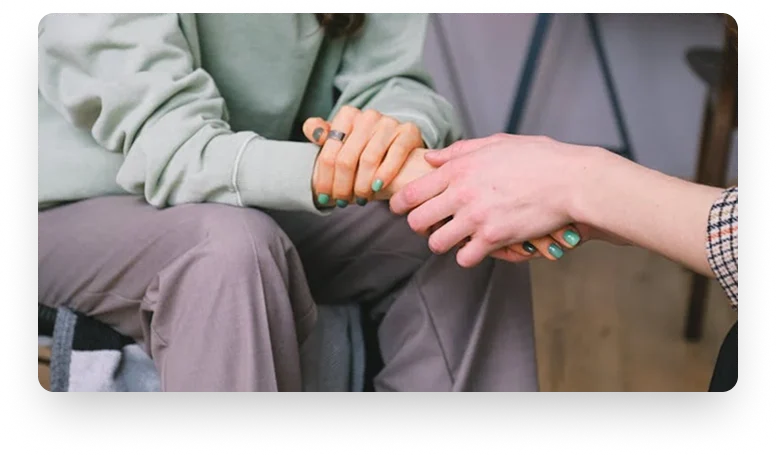
Group Session
There are 90-minute group sessions that focus on trigger mapping, recognizing signs of relapse, building a coping toolbox, and talking about recovery.
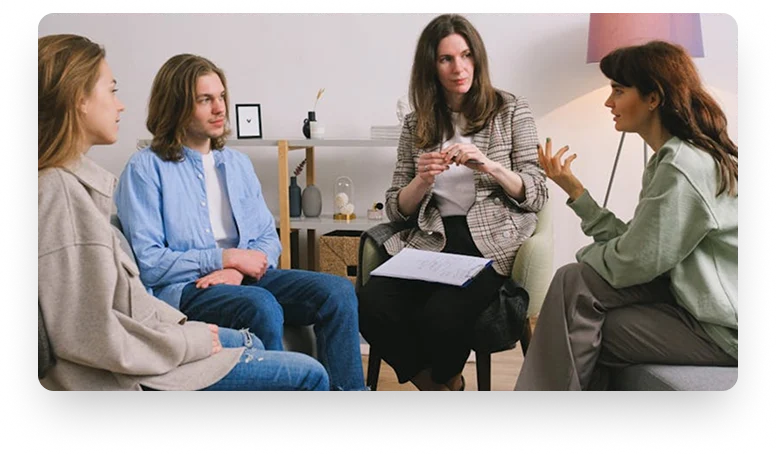
Individual therapy
et to the bottom of your relapse path: what caused you to slip, what worked, what didn't, your emotional baggage, and your goals.

Life Skills Workshop
Hands-on workshops on how to create a supportive atmosphere, deal with change, set up routines, and develop good habits with peer support

Family/Support-Network Engagement
Your loved ones come to sessions to learn how to help you without enabling you, how to rebuild trust, and how to be an ally in your recovery.

Real-World Application & Check-In
You live at home and go about your daily life, so you come back every day and talk about what happened, what made you angry, what you did, and what you would do better. We keep an eye on your progress and change your plan as needed.

Transition Planning
As you become stronger, we shift our attention to regularity and sustainability. We lower the intensity, increase community support, and start connecting alumni and peer groups.These programs are usually 8 to 12 weeks, although you may stay longer depending on your progress and what problems you're having.
Positive Outcomes of IOP
When you finish this IOP, you’ll walk away with
Clear Action Plan
Recognize what makes you want to go back to your old ways and be ready to respond.
Coping Skills
Mindset routines, stress management, emotional control, and access to peer support are all skills for dealing with daily life
Stronger Self-Identity
Recognize what makes you want to go back to your old ways and be ready to respond.
Repaired Relationships
Recognize what makes you want to go back to your old ways and be ready to respond.
Confidence for Next Step
You can be confident about your next step as you've practiced being sober in real life, faced test points, and become stronger
What Makes Us Special
At Freedom Recovery Center you will follow a structured tailored program that is customized for your particular needs.
Focus on Relapse Preventio
Not just treatment, but also training to stay healthy
Flexible Schedules
You can choose evening and weekend courses without sacrificing daily life
Experienced Team
Counselors, therapists, and peer coaches, all trained to help people avoid relapse
Personalized Plan
Your blueprint is as unique as your treatment.
After-care
Graduation is just the beginning. We help you transition to community and peer groups to sustain your new life.
Transparent Admissions & Financing
We'll help you with insurance and payment options to get your treatment started right away.

Take The Step Right Now
You have seen how relapse can sneak up on you. Don’t wait for it to happen. Call our friendly admission staff now. We’ll answer your queries, help you figure out whether this is a good match for you, explain the costs, and set up your first session. Call now or fill out this confidential form, and we’ll get in touch with you within 24 hours.
- Available 24/7
- • Confidential
- • Free Consultation
Frequently Asked Questions
How long does the program last?
What if I relapse during the program?
We see mistakes as signs, not failures. If you slip up, we give you more help: we change your plan, add more individual sessions, and involve your network.
Can I work or go to school while in this IOP?
Yes. Sessions are provided on weekends and in the evening. You can fulfill your duties while attending the treatment program.
Do I have to include my family?
It is highly recommended as support from family helps with recovery. Family sessions help everyone learn about triggers, boundaries, and how to talk to one another in a healthy way.
Will this be covered by insurance?
A lot of insurance covers IOP programs that help people with drug use problems and relapse prevention. We will help you check your eligibility and talk to you about your payment options.