Many people face anxiety in their daily life. It makes the person emotionally and physically weak. Many people are also affected by co-occurring disorders, but they do not let these issues become a burden. They face challenges bravely and move forward without disrupting their daily life. According to WHO, an estimated 4.4% of the global population suffers from anxiety disorders. In 2021, around 359 million people worldwide were living with anxiety disorders. They often have to deal with additional mental illnesses because of anxiety.
If you are also struggling with a co-occurring disorder, don’t worry. Our Freedom Recovery Center NJ offers many treatment programs, including PHP for co-occurring disorders. If you want to overcome these mental illnesses without disrupting your responsibilities, you are in the right place.
You may have heard the terms “anxiety attack” and “panic attack.” This blog will explain all the symptoms of anxiety and how it can be treated. For more detailed information on both terms, you need to read this blog: Difference Between Panic Attack and Anxiety Attack.
What is Anxiety?
According to Harvard Health, Anxiety is the normal reaction that is caused by stressful situations. It is not a single condition but a cluster of related disorders. Different anxiety disorders have different symptoms that tend to run in families. For example, when you go to take a test, give a presentation or wait for a result, stress can cause anxiety.
Sometimes, it can be beneficial because it helps you focus on the specific task you are performing. Sometimes, it also directs your attention toward a potential threat.
Anxiety can harm you both emotionally and physically. Anxiety gives you a long-term stress response, like focusing on a threat. Sometimes it gives a short-term response that helps you identify the threat effectively. Anxiety often co-occurs with alcohol use disorder. Learn more about how we treat both conditions together in our blog on Anxiety and Alcohol Use Disorder: How FRC NJ Treats Both Conditions Together.
What Are Anxiety Disorders And Generalized Anxiety Disorder?
People with anxiety disorders frequently experience excessive and persistent worry or fear about everyday situations. Anxiety disorders can cause repeated episodes of sudden feelings of anxiety and fear. Anxiety attacks and panic attacks can also disturb daily life activities.
According to the National Institute of Mental Health, the term Generalized Anxiety Disorder (GAD) involves more intense or persistent feelings of anxiety or fear that interfere with your life. In GAD, these feelings can last for months or even years. It usually starts gradually in early adulthood, but it can occur at any age.
Women are more likely to get GAD than men. It can be treated if you get treatment at FRC. Our professional and licensed staff will offer you different treatment programs with evidence-based therapies to treat anxiety effectively.
Types Of Anxiety Disorder
Anxiety disorders are not all the same; they include several types with common symptoms and triggers. Understanding the different types of anxiety disorders helps in recognizing the right signs. Below are the most common types of anxiety disorders.
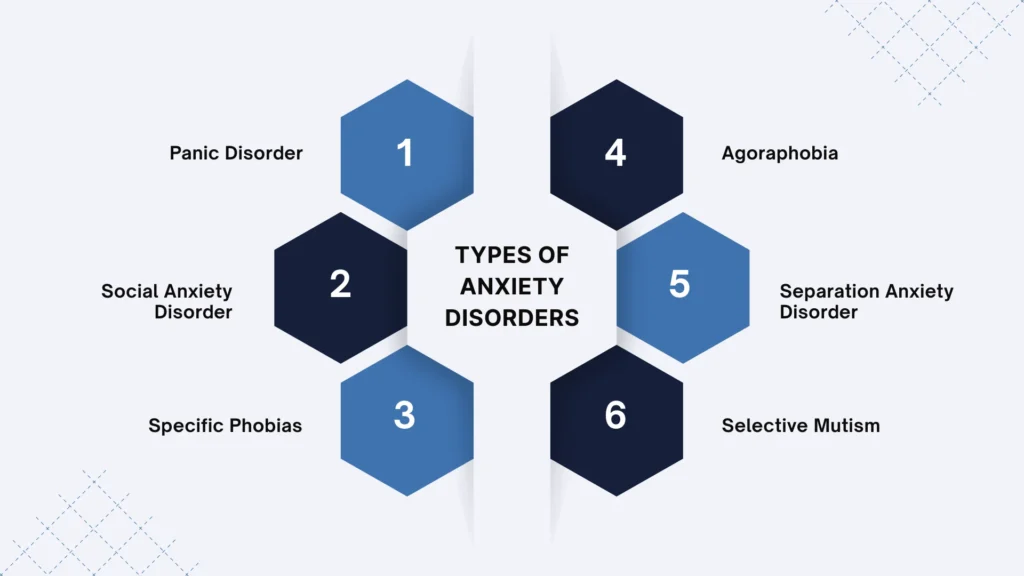
Panic Disorder
Panic Disorder is characterized by repeated, unexpected panic attacks and fear of future attacks. These attacks cause intense physical symptoms like a racing heart, sweating, and shortness of breath. People with this disorder may avoid places or situations where they fear an attack might happen.
Social Anxiety Disorder (Social Phobia)
Social Anxiety Disorder involves an overwhelming fear of being watched, judged, or embarrassed in social situations. People with this disorder often avoid social interactions due to intense anxiety. It can significantly affect work, school, and personal relationships.
Specific Phobias
Specific Phobias are intense, irrational fears of specific objects or situations, such as heights, animals, or flying. These fears lead to avoidance behavior and significant distress. Even thinking about the feared object can trigger anxiety symptoms.
Agoraphobia
Agoraphobia involves an intense fear of situations where escape might be difficult or help unavailable. People with this condition often avoid crowded places, public transport, or open spaces. It can severely limit a person’s ability to leave their home.
Separation Anxiety Disorder
Separation Anxiety Disorder causes excessive fear or worry about being separated from loved ones. While common in children, it can also affect adolescents and adults. This disorder can interfere with daily routines and relationships.
Selective Mutism
Selective Mutism is a condition where a person cannot speak in certain social situations due to anxiety. It mostly affects young children but can also occur in adolescents and adults. The person can speak comfortably in other settings.
Anxiety Attack Vs Panic Attack: Difference
| Feature | Anxiety Attack | Panic Attack |
|---|---|---|
| Definition | Informal term for escalating anxiety; not a clinical diagnosis. | Clinically recognized episode of intense fear or discomfort. |
| Onset | Gradual build-up over time. | Sudden and unexpected. |
| Triggers | Usually linked to ongoing stress or worry. | May occur with or without a clear trigger. |
| Duration | Can last hours, days, or longer. | Peaks within minutes; usually over in 10–30 minutes. |
| Intensity | Less intense; symptoms are more psychological. | Very intense; severe physical and emotional symptoms. |
| Physical Symptoms | Heart palpitations, tension, restlessness, fatigue. | Racing heart, shaking, shortness of breath, chest pain, dizziness. |
| Emotional Impact | Feelings of worry, dread, or fear about a specific concern. | Feeling of losing control, fear of dying, or “going crazy”. |
Common Signs and Symptoms of an Anxiety Attack
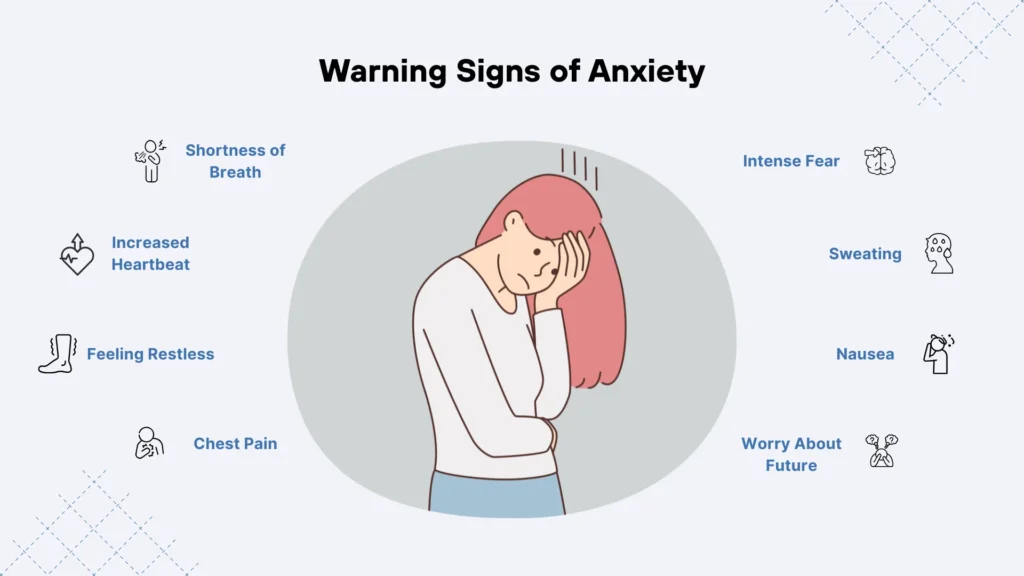
Anxiety attacks can cause both physical and emotional symptoms that feel overwhelming. Here are few signs of anxiety attack that are listed below:
Shortness of Breath
During an anxiety attack, you may feel like you cannot get enough air or are struggling to breathe.
Increased Heartbeat
An anxiety attack can cause your heart to race or beat faster than normal.
Feeling Restless
You may feel unable to sit still or experience a constant sense of restlessness.
Chest Pain
Some people feel tightness, pressure, or pain in the chest during an anxiety attack.
Intense Fear
Anxiety attacks often bring a strong feeling of fear, dread, or impending doom.
Sweating
Excessive sweating, even without physical activity, is a common symptom of anxiety.
Nausea
You may feel sick to your stomach, have a “knot” in your stomach, or experience nausea.
Worry About Future
Anxiety attacks can cause constant worry or fear about what might happen in the future.
Find Different Levels of Treatment Programs to Treat Anxiety
Freedom Recovery Center NJ offers structured levels of care to meet individuals’ needs for a smooth recovery journey. The level of care is often personalized depending on alcohol abuse and health history.
Find the Right Level of Anxiety Treatment
Freedom Recovery Center NJ offers structured treatment options, including PHP and IOP, to help individuals manage anxiety while continuing to work toward recovery. Our team can help you find an approach that fits your needs and daily responsibilities.
Partial Hospitalization Program (PHP)
Individuals should consider the partial hospitalization program if they are struggling with moderate to severe stress and anxiety. This level of care enables individuals to attend daytime treatment and return home in the evening.
Intensive Outpatient Program (IOP)
People experiencing mild to moderate anxiety and depression may enroll in the intensive outpatient treatment to achieve a flexible recovery experience. They can attend scheduled treatment while continuing their daily responsibilities.
How Is an Anxiety Attack Treated?
The certified professionals at the Freedom Recovery Center NJ have experience in treating individuals struggling with co-occurring anxiety. We address both conditions simultaneously to reduce the risk of relapse while helping individuals manage mental health challenges.
Psychotherapy
Psychotherapy involves cognitive behavioral therapy (CBT). It is one of the most effective treatments for anxiety attacks. It helps patients understand their thoughts and develop healthier coping strategies. Regular sessions with a licensed therapist can reduce the frequency and severity of anxiety attacks.
Medications
Medications such as antidepressants and anti-anxiety drugs are often prescribed to manage anxiety attacks. These can help reduce symptoms and prevent future episodes. A doctor may recommend SSRIs, SNRIs, or benzodiazepines based on the individual’s condition.
Adopt a Healthy Lifestyle
A healthy lifestyle can significantly reduce anxiety and improve overall well-being. Regular exercise, balanced meals, and good sleep habits support emotional stability. Avoiding caffeine, alcohol, and smoking can also help reduce the risk of anxiety attacks.
Use Effective Therapies
Effective therapies like CBT, exposure therapy, and mindfulness-based treatments can help manage anxiety. These approaches teach practical skills to handle stress and face fears. Many people find long-term relief through consistent therapy sessions.
Deep Breathing
Deep breathing exercises can calm the nervous system and reduce anxiety symptoms during an attack. Slow, controlled breaths help lower heart rate and ease feelings of panic. Practicing these techniques regularly can make them more effective in stressful moments.
What therapies work for anxiety at Freedom Recovery Center NJ
The successful treatment approach for anxious feelings combines evidence-based therapies to address substance use and mental health symptoms. Personalized treatment plans tailored to every individual’s needs may include effective therapy approaches to help individuals manage anxiety effectively.
Take the First Step Toward Managing Anxiety
You don’t have to manage anxiety and co-occurring mental health challenges on your own. Freedom Recovery Center NJ provides evidence-based therapies and personalized support to help you develop healthier coping skills and move forward with recovery.
Cognitive Behavioral Therapy (CBT)
CBT therapy for anxiety may help individuals understand and address negative thinking patterns. The licensed and experienced therapists also guide individuals to develop healthy coping skills to manage anxiety and other mental health issues.
Dialectical Behavior Therapy (DBT)
DBT therapy teaches interpersonal effectiveness, distress management, emotional regulation, and mindfulness to individuals struggling with anxiety at the same time. It helps them to cope with intense emotions without disturbing their daily life.
Trauma-Informed Therapy
Individuals may have turned to anxiety due to past trauma. The structured trauma-informed therapy sessions offer a supportive and safe environment for individuals to begin a smooth healing journey.
Start Anxiety Attack Treatment at Freedom Recovery Center NJ
Living with anxiety may feel overwhelming, but lasting recovery is possible with the right treatment approach. Treating both conditions simultaneously allows you to achieve long-term sobriety and improve mental health. Let’s get in touch with us today and regain control of life!
Frequently Asked Questions (FAQs)
How long do anxiety attacks last?
Anxiety attacks can last anywhere from a few minutes to about 30 minutes. Most reach their peak within 10 minutes and then gradually subside. The duration can vary depending on the person and the intensity of the attack.
Is an anxiety attack dangerous?
An anxiety attack is not dangerous or life-threatening, even though it can feel very frightening. While symptoms like chest pain or shortness of breath can mimic serious conditions. However, frequent attacks can affect quality of life and should be managed with support.
How to calm an anxiety attack?
Focus on deep breathing and grounding techniques like the 5-4-3-2-1 method to calm an anxiety attack. Avoiding stimulants like caffeine and practicing mindfulness can reduce symptoms over time.
What stops a panic attack fast?
The fastest way to stop a panic attack is to slow your breathing and use cold water on your face. Breathing in for 4 counts and out for 6–8 counts can also help calm your nervous system.
What triggers anxiety attacks?
Anxiety attacks are often triggered by stress, social situations, or specific fears like phobias. Physical sensations like a racing heart or caffeine use can also act as triggers.
Should I lay down during a panic attack?
Laying down can help some people feel calmer during a panic attack, but it may not work for everyone. The best position is whatever allows you to breathe slowly and comfortably. Some people find it more helpful to sit, walk, or change their environment.
What happens if you go to sleep with a panic attack?
If you fall asleep during a panic attack, the symptoms will usually subside as your body relaxes. However, some people may wake up feeling anxious or exhausted. It’s important to practice calming techniques before sleep to reduce the chance of nighttime attacks.