Understanding the difference between panic attack and anxiety attack may help you recognize the early symptoms and seek personalized treatment for mental health stability. Anxiety attacks are usually driven by continuous worry and stress, while panic attacks are intense and appear suddenly.
Anxiety attacks and panic attacks are usually interchanged, but they are not the same. Both attacks commonly lead to physical and emotional symptoms, affecting everyday life.
✨ Key Points:
- IOP treatment for depression works effectively by combining therapies.
- Individuals experience different signs of depression, indicating need for IOP.
- Affordability and flexibility are some of the benefits of IOP depression treatment.
- Start IOP at the FRC NJ to achieve and maintain the long-term recovery.
What is an Anxiety Attack?
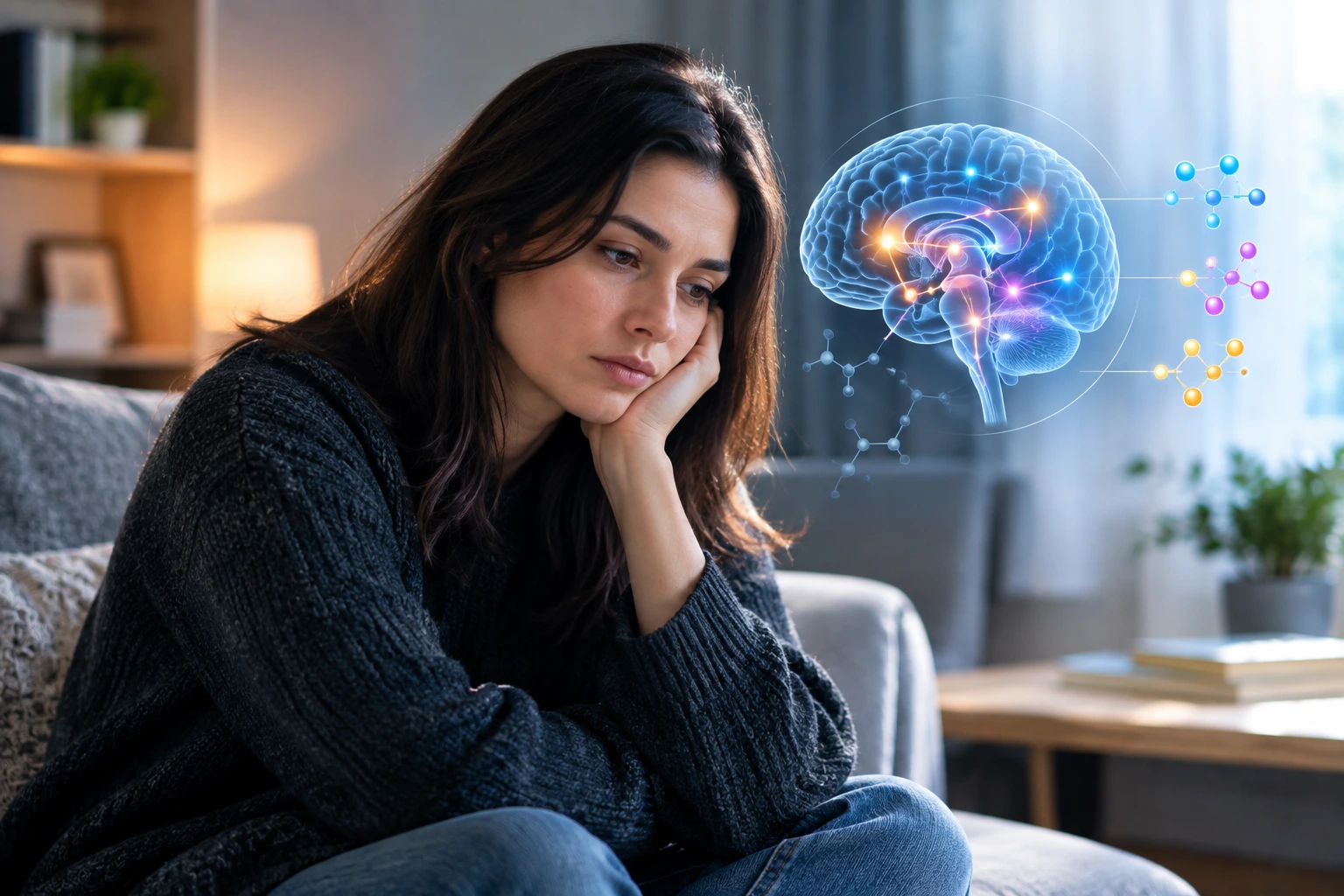
An anxiety attack vs panic attack is a period of overwhelming nervousness, worry, and fear. Relationship problems, financial issues, personal concerns, and stressful conditions usually trigger an anxiety attack.
Anxiety attack is a common disorder, but it is not officially included as a clinical diagnosis in the DSM-5. Several individuals use it for highlighting the heightened anxiety episodes. People with an anxiety attack may experience instability in relaxation. Symptoms of anxiety disorder appear gradually over time rather than appearing suddenly.
Need structured treatment to address the anxiety or panic attack?
Freedom Recovery Center offers a personalized approach to address root causes and provide relief.
Common Symptoms of an Anxiety Attack
It is crucial to understand the warning signs of an anxiety attack that indicate that you need immediate help from the FRC to overcome anxious events. The anxiety attacks may last for hours to days based on the level of stress and condition. The common symptoms are:
- Difficulty concentrating
- Excessive worry
- Feeling tense or restless
- Higher heart rate
- Irritability
- Mild dizziness
- Muscle tension
- Sleeping problems
- Sweating
- Stomach issues
What is a Panic Attack?
A panic attack vs anxiety attack is a sudden and intense episode of fear, triggering severe emotional and physical reactions. Panic attacks usually occur without warning, even in the absence of real danger. Individuals may experience loss of control or have a feeling of a heart attack during a panic attack.
The symptoms of a panic attack may peak and become intense within just a few minutes. These panic attacks are commonly recognized in mental health diagnoses. Moreover, these attacks are also connected with panic disorder.
Common Symptoms of a Panic Attack
Understanding panic attack vs anxiety attack symptoms is important to differentiate between the two disorders. That’s why it is important to explore the warning signs of panic attacks to prevent yourself from further severe conditions.
- Chest pain
- Chills
- Dizziness
- Fear of dying
- Fear of losing control
- Numbness
- Quick heartbeat
- Shaking
- Sweating
- Shortness of breath
💡 Did You Know
6.8 million adults are being affected by generalized anxiety disorder, 6 million are struggling with panic disorder, and 15 million experienced social anxiety disorder.
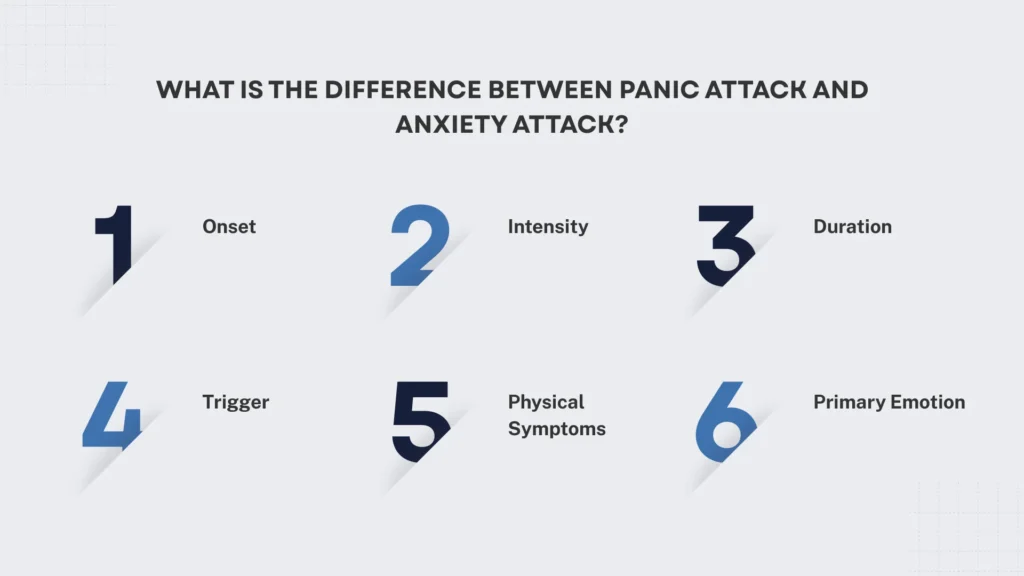
What is the Difference Between Panic Attack and Anxiety Attack?
There are several crucial differences between anxiety and panic attacks, even though they share similar symptoms. Both conditions differ from each other based on different factors. That’s why it is important to understand the major differences between an anxiety attack and a panic attack.
| Feature | Panic Attack | Anxiety Attack |
| Onset | Sudden | Gradual |
| Intensity | Severe | Moderate |
| Duration | Short | Long-Term |
| Trigger | Unexpected | Stress-Related |
| Physical Symptoms | Intense | Mild to Moderate |
| Primary Emotion | Extreme Fear | Worry |
Onset of Symptoms
The symptoms of anxiety develop gradually over time. Individuals may notice increased tension, nervousness, or worry because stress also continues to build up. These symptoms usually become stronger due to overwhelming emotional pressure, uncertainty, or responsibilities.
There are no clear warning signs because panic attacks happen immediately. An individual may feel relaxed and then experience fear suddenly. Symptoms can become severe, which makes it difficult for individuals to control the panic feelings.
Intensity of Symptoms
Anxiety symptoms are moderate but may become emotionally exhausting. Difficulty focusing, restlessness, and constant worry are intensified during stressful conditions. However, symptoms may become less extreme compared to those that happen during a panic attack.
Panic attacks are intense and lead to physical and mental overwhelming feelings. Several individuals experience sudden fear or terror. The severity of symptoms may indicate a serious medical emergency.
Duration
An anxiety attack may last for an extended period due to unresolved stress. High emotional pressure can make individuals feel symptoms of anxiety for several hours to days. The proper management of worry or stress to control anxious feelings.
The difference between panic attack and anxiety attack is a shorter timeline, but they are far more intense. Symptoms can peak within approximately 10 minutes and improve within an estimated 20 to 30 minutes. A person may feel fearful or exhausted even after the panic attack has ended.
Triggers
Difficult life conditions or identifiable stressors are the major triggers for anxiety attacks. The triggers may include social pressure, financial stress, relationship issues, or work deadlines. Symptoms may increase with the passage of time because an individual keeps thinking about the source of stress.
Panic attacks can happen suddenly without a prominent danger. Some individuals may experience a panic attack while relaxing, sleeping, shopping, or driving. The unpredictability of the panic attack may lead individuals to anxiety and fear.
Physical Symptoms
Physical symptoms during an anxiety attack are commonly milder and are caused by prolonged stress. Individuals may experience a fast heartbeat, headaches, stomach discomfort, sweating, and muscle tension. Symptoms are uncomfortable, but they are less severe than those during the panic attacks.
Physical symptoms of a panic attack vs anxiety attack are intense and may feel similar to a heart attack. Individuals can experience numbness, dizziness, and shortness of breath. The symptoms may feel extremely severe, and people seek emergency medical help from the Freedom Recovery Center.
Primary Emotion
People experience fear, nervousness, and worry related to the stressful conditions during an anxiety attack. They may need to focus constantly on the problems or worst scenarios, becoming unable to control themselves. The emotional distress may make it hard to feel mental calmness or relaxation.
Panic attacks may lead to sudden, overwhelming emotions and intense terror. Several people may experience feelings of facing danger, going crazy, or losing control. This emotional intensity may become extremely frightening when there is no real danger or risk.
Can An Anxiety Lead to a Panic Attack?
Yes, prolonged anxiety may increase the risk of a panic attack. The body can become oversensitive to the fear response when anxiety and stress are not properly managed. For example, an individual experiencing chronic anxiety may also deal with sudden panic symptoms during stressful conditions. That’s why stress management and treatment have become important to address both anxiety attacks and panic attacks.
What are the Causes of Anxiety and Panic Attacks?
Both anxiety and panic attacks are the result of environmental, physical, and psychological factors. It is necessary to explore different factors that lead individuals to panic or anxiety attacks.
Mental Health Conditions
Several mental health conditions influence panic and anxiety attacks among individuals. The major contributors to the attacks are generalized anxiety disorder (GAD), panic disorder, and social anxiety disorder. Moreover, these attacks are also caused by high-functioning depression and post-traumatic stress disorder (PTSD).
Physical and Lifestyle Factors
There are also certain health conditions and habits that contribute to the increased risk of chronic stress, lack of sleep, and substance abuse. The factors influencing panic and anxiety attacks may include hormonal imbalance, excessive caffeine intake, and traumatic life experiences.
Medical conditions affecting the thyroid or heart are also major contributors to anxiety and panic attacks. Learning how to heal nervous system from trauma may help you get relief from both anxiety and panic attacks.
How to Calm Down During an Anxiety or a Panic Attack?
The coping strategies may help you reduce the intensity of symptoms during a panic or anxiety attack. Breathing exercise is also a good option that may slow down the body’s response to stressful situations.
During an anxiety attack, you need to focus on practicing grounding and slow breathing. It is a good step to move to a calm environment while writing down your thoughts. Individuals also need to reduce overstimulation during an anxiety attack.
During a panic attack, it is important to remember that the attack will pass and avoid fighting the symptoms. Individuals need to sit somewhere safe and focus on controlled breathing. Focusing on the calmness may help you recover from the panic attacks.
When to Seek Professional Help for Anxiety or Panic Attacks
It is necessary to receive personalized support when the symptoms of panic or anxiety attacks start to interfere with your everyday life. You need to seek structured help in the case of:
- Frequent panic attacks
- Anxiety affects relationships or work
- Avoiding social interaction due to fear
- Experiencing sleep problems
- Severe physical symptoms
- Emotionally overwhelming or hopeless
What are the Treatment Options for Anxiety and Panic Attacks?
When you know the difference between panic attack and anxiety attack, it is necessary to consider personalized treatment. Therapy sessions and medication in Partial Hospitalization Program and Intensive Outpatient Program help individuals manage anxiety or panic symptoms.
Therapy
Cognitive Behavioral Therapy (CBT) helps individuals recognize the negative thinking patterns and change them with healthier coping skills. The effective therapeutic approach enables individuals to manage fear in a controlled and safe environment.
Medication
The certified medical staff may prescribe the medication such as antidepressants and anti-anxiety medications. Moreover, beta-blockers are prescribed for physical symptoms management. These medications are always delivered under medical supervision.
Get in touch with the certified professionals of Freedom Recovery Center and overcome anxiety or panic attacks.
Receive Support from FRC for Anxiety or Panic Attack
The difference between panic attack and anxiety attack may enable you to look for structured help. You can schedule your appointment at the Freedom Recovery Center to receive personalized treatment tailored to your specific needs. Let’s contact us today and start your anxiety or panic attack recovery journey!
Common Questions About the Difference Between Panic Attack and Anxiety Attack
The frequently asked questions about anxiety and panic attacks are answered here.
Is a panic attack and an anxiety attack the same thing?
No, a panic attack is not the same as an anxiety attack. A panic attack is intense and sudden, which includes fear and severe physical symptoms. An anxiety attack is gradual and is caused by specific stressors.
How to tell if you had an anxiety attack or a panic attack?
If you experience a sudden attack with higher intensity for a short time, you are probably struggling with a panic attack. You are experiencing an anxiety attack if an attack develops gradually and lasts longer than a panic attack.
What is the 3-3-3 rule for panic attacks?
The 3-3-3 rule is a grounding and sensory engagement technique to manage anxiety and panic attacks through interruption of spiraling thoughts. You need to pause and identify 3 things you see, 3 sounds you hear, and move 3 body parts during the overwhelming feelings.
Can you live a normal life with panic attacks?
Yes, you can live a normal life with panic attacks by considering the customized treatment support from the Freedom Recovery Center. They are not inherently dangerous and are treatable with the help of licensed professionals.
Are anxiety attacks dangerous?
No, anxiety attacks are not directly dangerous or fatal. However, these attacks are uncomfortable and convey the feelings of a life-threatening emergency, such as a heart attack. An untreated acute anxiety attack may lead to serious health problems, including heart disease.
How to calm an anxiety attack?
Muscle relaxation and slow breathing are the integral techniques of calming an anxiety attack. You can focus on the box breathing and the 5-4-3-2-1 technique to break the cycle of anxiety attacks.