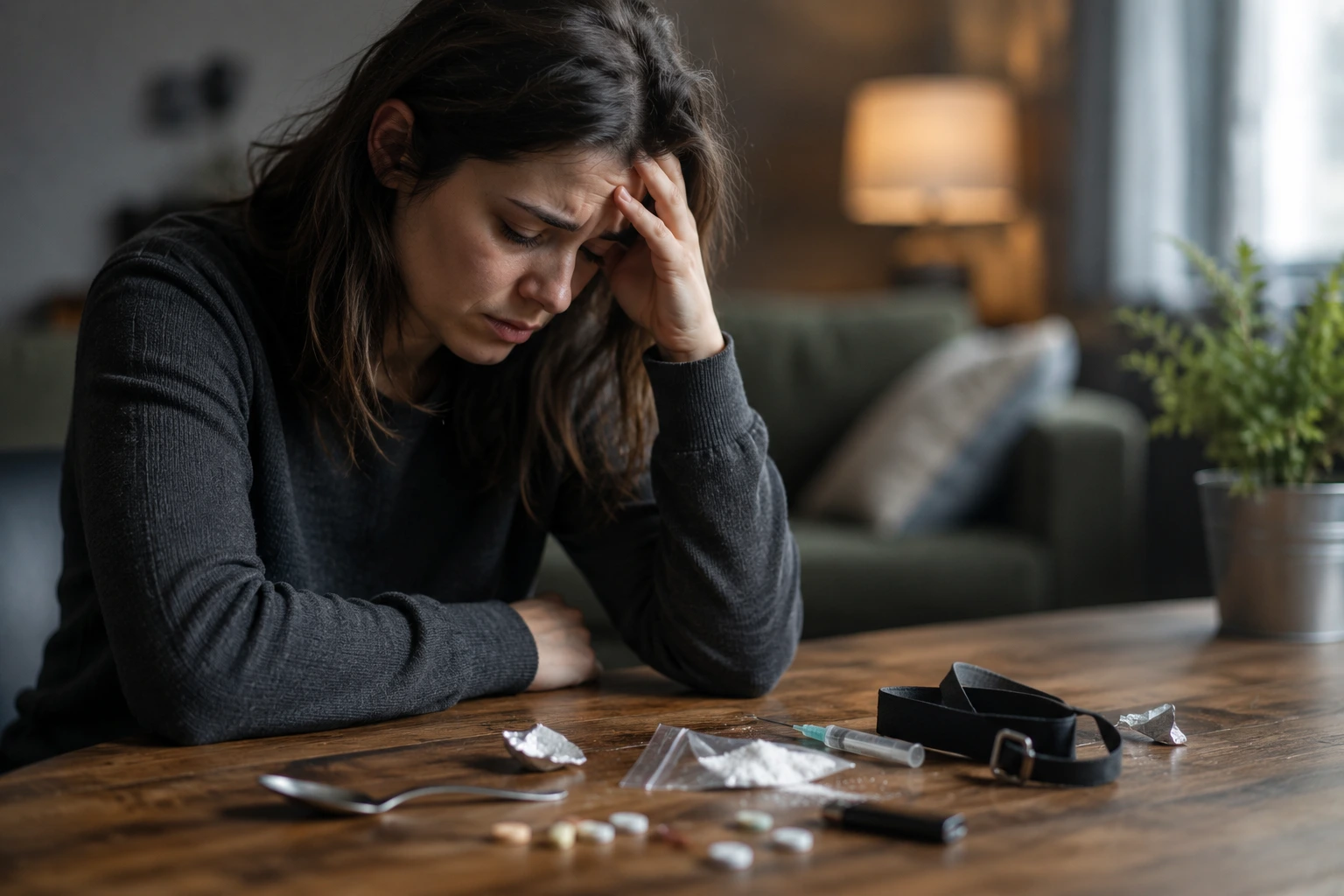
If you or your loved ones are addicted to drugs and want to overcome addiction. They may panic when they try to quit drugs. Quitting drugs is challenging for those who are fully dependent on substance use. People don’t become drug addicts due to a lack of power; it’s all about the change in brain chemistry which causes more cravings and urges to get drugs.
The National Center for Drug Abuse Statistics has shown that 47.7 million Americans aged 12 years and older were current illegal drug users. Marijuana has the highest rate among youth aged 12 to 17 years. If you are also struggling and finding it hard to quit drugs, our FRC is offering evidence-based treatment programs in which our team maintains clear communication with patients about their challenges and helps them cope using evidence-based therapies.
What is Drug Addiction?
Addiction is defined as a chronic and relapsing disorder characterized by compulsive drug seeking and use despite adverse consequences. Taking too much drugs can cause a brain disorder. It involves functional changes to brain circuits involved in stress and self-control. These changes can last a long time after the person has stopped taking drugs.
Addiction is not like heart disease, but it can disrupt the normal functioning in the body. Starting to take too many drugs may lead to relapse. Relapse does not mean that whatever treatment you take will not work. According to the National Household Survey on Drug Use and Health, 9.4 million full-time workers were illicit drug users. The 57.5% of illicit drug users aged 18 to 64 were employed full-time. Nearly one out of five workers aged 18 to 25 used illicit drugs during the past month. This was a higher percentage among 26 to 34, 35 to 49, and 50 to 64 age groups.
Are you Ready to get Free From Drug Addiction?
Quitting substance addiction can be very difficult, but you do not have to face it alone. Our FRC provides evidence-based therapies and treatment programs to help you manage withdrawal symptoms and achieve recovery faster.
Which Drugs Are Hardest to Quit? A Look at Drug Classification
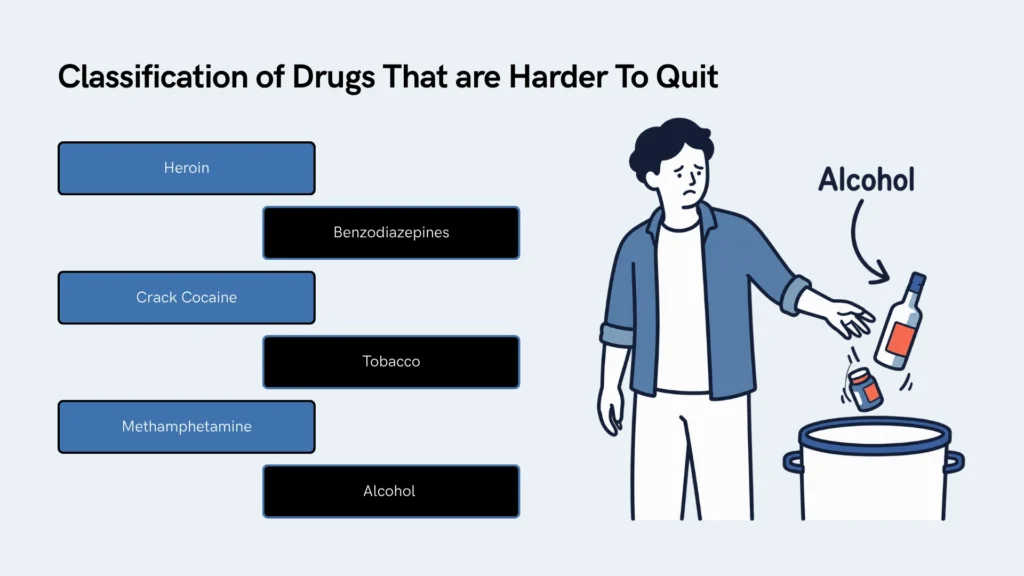
There are some drugs that make it harder to quit. When a person is heavily addicted to drugs and decides to quit, they need professional support for quitting drugs. After quitting, the person experiences withdrawal symptoms. If you select our Freedom Recovery Center they will help you to face further difficulties. Here is the list of all drugs that are classified below.
Heroin – Trapped in a Deadly Cycle of Dependence
Heroin is an opioid drug that is made from morphine. It has such intense euphoria that it makes you extremely addicted. If you are also severely addicted to heroin and want to quit without getting professional help, this is a bad way to quit like this.
Our FRC is offering IOP for drug addiction that makes it easier to quit drugs faster. People who try to quit drugs without professional help have to face withdrawal symptoms. These withdrawal symptoms can be severe, including nausea, anxiety and insomnia. The number of people who use heroin has increased since 2007. This may be because heroin is readily available and cheaper to relieve pain. However, misuse can cause many harmful side effects.
Benzodiazepines – Drugs That are Hard To Escape
Xanax and Valium are also drugs that are used to relieve anxiety. Taking these medicines for a longer time can make you addicted. There are many states where this medicine is mixed with other opioids and used for a longer time. If you quit suddenly, it can lead towards panic attacks, difficulty in sleeping and seizures. If you are also struggling with this issue, our FRC in NJ is offering a PHP program for drug addiction that can make it easier to recover faster.
Crack Cocaine – Very Intense That Consumes Everything
Crack cocaine is a drug that is extracted from the coca plant. It is mostly found in South American countries. It helps to stimulate the body and raise the heart rate. Cocaine consumption produces dopamine to build up in the brain by blocking the dopamine receptors. It produces pleasure and compulsive responses in the body. Dopamine responsive cells are concentrated in the brain system that controls emotional response and connects with memories.
Crack cocaine is hard to quit because stopping its use can produce strong psychological dependence and withdrawal symptoms. These symptoms can last for months or years. Continued use may also negatively affect mental health. Find how substance addiction can affect mental health.
Tobacco – The Silent Addiction Hiding in Plain Sight
Tobacco is one of the hardest drugs to quit. It is not only a physical addiction like nicotine, but quitting smoking itself is also hard. People who start smoking at a young age make smoking a part of their daily life. Quitting smoking and drugs can be challenging for these people. In families where every person is a smoker and their children also start smoking, it becomes even more difficult to quit in such families. If you want to quit drugs or smoking, you need to seek professional help.
Methamphetamine – One Hit Can Hijack Your Brain
Methamphetamine is a powerful stimulant that produces euphoria and increases energy. It makes physical dependence strong. Suddenly stopping methamphetamine can cause serious issues including fatigue, depression and severe cravings. Our Freedom Recovery Center in New Jersey provides different treatments to treat addiction. Our team uses evidence-based therapies that provide structural support to make the patient’s recovery faster.
Alcohol – A Drug That Destroys Lives Silently
Alcohol addiction is a chronic disorder that is linked with compulsive alcohol drinking. Excessive consumption of alcohol intake makes you addicted and can lead to different chronic conditions like liver damage, cognitive impairment and many more. Your immediate action in quitting alcohol can cause some serious withdrawal symptoms.
Drug Withdrawal Symptoms: What to Expect
When an individual starts to decide to quit drugs, physical and psychological symptoms show. These symptoms can vary in severity and their duration changes depending on what type of drug the person has been using and for how long. Here are some withdrawal symptoms that are given in table form.
| Drugs | Withdrawal Symptoms |
| Heroine | Nausea, Vomiting, Diarrhea, Severe muscle pain, sweating, Depression, Anxiety, suicidal thoughts, Agitation |
| Benzodiazepines | Severe Depression, Anxiety, Intense Cravings, Extreme Fatigue, Psychosis, Hallucinations, Delusions, Panic Attacks, Muscle Pain, Tremors, Seizures |
| Crack cocaine | Severe Depression, Intense Cravings, Extreme Fatigue, Lack Of Energy, Anxiety, Anhedonia, Inability To Feel Pleasure |
| Tobacco | Irritability, powerful cravings, depression, difficulties sleeping, anxiety, heightened appetite, and trouble concentrating or remembering things |
| Methamphetamine | Severe Depression, Anxiety, Intense Cravings, Extreme Fatigue, Psychosis, hallucinations, Delusions |
| Alcohol | Severe Depression, Intense Cravings, Extreme Fatigue, Increased Blood Pressure., Rapid Breathing, Hallucination, Tremors, Loss of Appetite, Nausea, Vomiting, Mood Swings, Restlessness |
Leave Addiction Behind
When quitting feels overwhelming, professional support can help. FRC offers personalized treatment programs that help you to manage withdrawal symptoms and work toward lasting recovery.
What Treatment Approaches Make It Easy To Quit Drugs?
Are you still trying to quit the drug addiction? We are offering some treatment programs that help you to achieve recovery faster. Here are the few evidence based programs that is mentioned below:
Detoxification (Detox)
Medically supervised withdrawal safely controls withdrawal symptoms. A professional team of doctors and psychologists monitors your vital signs to give medications and manage complications. We also offer a detox program to treat drug addiction effectively.
Inpatient program
We offer an inpatient program where you stay during detox and early recovery. Our staff provides different therapies and structured daily routines. This treatment program is best for severe withdrawal and high risk of delirium tremens.
Intensive outpatient program (IOP)
Our Intensive Outpatient Program (IOP) provides evidence-based treatment for drug addiction while you live at home and keep your daily routine. A professional team at FRC provides frequent therapy sessions and relapse prevention skills. IOP offers flexibility to balance work and school with best support.
Partial Hospitalization Program (PHP)
We also offer PHP that helps you to recover from mental health and substance use conditions. Our professional and experienced staff use effective therapies and best clinical care that allow patients to return home at night. Learn more about how a Partial Hospitalization Program works and whether it may be suitable for your recovery needs.
Aftercare Program
Ongoing support after detox or inpatient treatment to prevent relapse. This can include regular counselling sessions or support groups with a doctor or addiction specialist. The aftercare program helps you maintain sobriety and manage triggers to adjust your treatment plan over time.
Concerned About Drug Use in Your Family? Help Is Just a Call Away
Get professional help from our Freedom Recovery Center where compassionate care meets personalized treatment. At FRC, our experienced and certified staff offer IOP and PHP treatment programs that make recovery possible for those suffering with severe drug addiction. We help you understand the physical and emotional effects of addiction while building the skills needed to support recovery. Visit our website to quit the harder drugs faster.
Frequently Asked Questions (FAQs)
Which addiction has the highest recovery rate?
Research shows that alcohol addiction has a higher recovery rate than other drugs. 50 to 90% of people who receive proper aftercare and personal support can maintain their recovery for up to one year.
What drugs are no longer used?
The Ministry of Health has banned various prescription drugs, such as amoxicillin and ranitidine, due to safety risks. Long-term use of these medicines can lead to addiction and cause various serious health issues.
What two medications should never be taken together?
Opioids and benzodiazepines should never be taken together because combining them can cause severe issues. It can be life-threatening for breathing failure.
What drug has the most severe withdrawal symptoms?
Alcohol and benzodiazepines are among the hardest drugs to quit. Quitting them can be dangerous and life-threatening if consumed in high amounts.
What is the number one hardest to quit?
Opioids, alcohol, and benzodiazepines are among the drugs that are most difficult to quit. Excessive consumption of these drugs can lead to serious withdrawal symptoms.