Substance use disorders and mental health illnesses can occur together, leading to serious healthcare challenges. Treating only one condition may not lead to long-term recovery. At Freedom Recovery Center NJ, we offer specialized co-occurring disorder treatment to address both conditions simultaneously. We provide dual diagnosis treatment because mental health disorders trigger addiction, while substance abuse may worsen psychological and emotional health.
✨ Highlights:
- Individuals with co-occurring disorders struggle with addiction and mental health issues.
- Anxiety, depression, ADHD, PTSD, and OCD are common co-occurring mental health conditions.
- An integrated treatment reduces the risk of relapse and improves emotional stability for individuals.
- Freedom Recovery Center NJ offers integrated care to address both conditions simultaneously.
What are Co-Occurring Disorders?
Dual diagnosis or co-occurring disorders refers to a condition where a person struggles with a mental health disorder and substance dependence at the same time. These two conditions usually influence each other, making symptoms more severe and recovery difficult without a personalized treatment plan.
For instance, an individual living with anxiety may start misusing alcohol to calm the nervousness, but prolonged alcohol consumption leads to severe anxiety symptoms. Similarly, untreated depression may lead to opioid addiction and feelings of hopelessness. An effective, integrated treatment addresses dual disorders through personalized care.
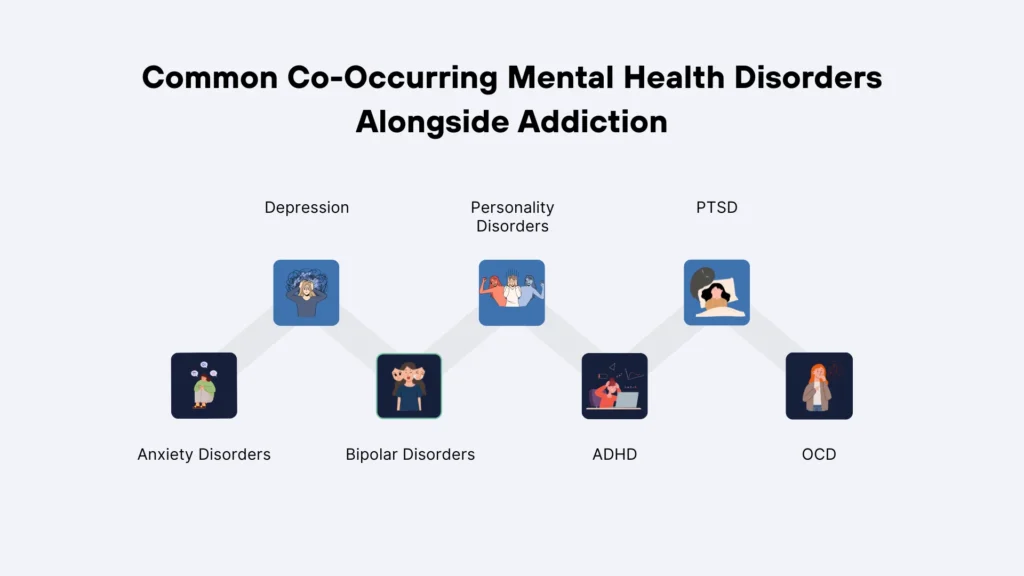
Common Co-Occurring Mental Health Disorders Alongside Addiction
There are different mental health conditions that individuals can experience when struggling with alcohol and drug addiction. It is essential to understand how addiction influences serious mental health disorders. These co-occurring disorders may disturb overall health, personal, and professional life.
Anxiety Disorders
Generalized anxiety disorder, social anxiety, and panic disorder often coexist with substance abuse. Individuals may use drugs or alcohol to reduce the symptoms of anxiety while increasing the risk of substance dependence. An integrated care approach treats addiction and anxiety together for mental stability.
Depression
Individuals struggling with high-functioning depression may start using alcohol or drugs to escape from the feelings of emotional pain, hopelessness, or sadness. Both conditions can easily become worse without the proper treatment. Receiving personalized treatment allows individuals to overcome these co-occurring illnesses.
Bipolar Disorders
Mood swings linked with bipolar disorder vs BPD may lead individuals to impulsive substance abuse. Recurring and extreme changes in mood and energy levels lead to manic depression. The personalized therapy sessions and proper medication management help in stabilizing mood while supporting proper addiction recovery.
Personality Disorders
Specific personality disorders may affect decision-making skills, relationships, and emotional regulation. Behavioral changes and perceived thoughts usually influence personality illness. These disorders complicate the addiction recovery journey. An integrated therapy approach may address underlying challenges.
Attention-Deficit/Hyperactivity Disorder (ADHD)
Individuals experiencing ADHD may struggle with emotional regulation and impulsivity. Untreated symptoms of Attention-Deficit/Hyperactivity Disorder (ADHD) may increase vulnerability to substance addiction. A co-occurring disorder treatment may help individuals recover from addiction and ADHD simultaneously.
Post-Traumatic Stress Disorder (PTSD)
Traumatic experiences can increase the chances of developing substance use disorders. This mental health condition is usually triggered by experiencing terrifying life events and leads to substance addiction. A confidential, integrated treatment plan helps individuals to overcome trauma through healthier coping skills.
Obsessive-Compulsive Disorder (OCD)
Some people try to manage compulsive behaviors and obsessive thoughts through the use of alcohol or drugs. Uncontrollable thoughts usually lead to a chronic mental health condition. Severe distress is the main reason people start using substances. A professional treatment is effective in treating this mental health disorder.
Are You Struggling with Co-Occurring Mental Health Conditions?
Contact FRC NJ to receive a personalized co-occurring disorder treatment to address both conditions and achieve a lasting recovery.
Common Substance Use Disorders Treated Through Dual Diagnosis Treatment
Substance addiction frequently occurred alongside mental health conditions. These conditions make the integrated treatment necessary for long-term recovery. At FRC NJ, we treat both mental health and substance use disorders at the same time to reduce the risk of relapse.
Alcohol Addiction
Alcohol addiction usually occurs alongside different mental health conditions such as anxiety, PTSD, and depression. Several people use alcohol to cope with emotional distress, but excessive alcohol consumption worsens psychological symptoms. A personalized alcohol addiction treatment includes medication management and therapy to treat conditions.
Benzodiazepines Addiction
Benzodiazepines are often prescribed for anxiety, but may lead to physical dependence in the case of misuse. Long-term benzodiazepine use may increase emotional instability, memory issues, and depression. An integrated benzodiazepine addiction treatment helps individuals to recover from addiction as well as their mental health conditions.
Crystal Meth Addiction
Methamphetamine addiction can result in severe mood swings, paranoia, psychosis, and anxiety. Dual diagnosis recovery involves addressing the crystal meth addiction and co-occurring mental health conditions. The effective therapy sessions support both emotional stability and long-term recovery.
Cocaine Addiction
Cocaine dependence usually coexists with anxiety disorders, bipolar disorders, and depression. Cocaine may temporarily increase confidence or energy, but can lead to worsening mental health conditions and emotional instability. An integrated treatment for cocaine addiction breaks the cycle of addiction while allowing individuals to build healthier coping skills.
Fentanyl Addiction
Fentanyl is a highly potent opioid that contains the prominent risk of dependency and overdose. Several individuals struggling with fentanyl addiction also experience depression, trauma, or anxiety. A comprehensive co-occurring disorder treatment addresses mental health conditions and addiction effectively.
Heroin Addiction
Heroin dependence is frequently developed alongside untreated anxiety disorders, depression, or trauma. Individuals may face a higher risk of relapse without addressing both conditions simultaneously. Our certified experts provide individualized treatment to recover from heroin addiction and mental health disorders for lasting sobriety.
Marijuana Addiction
Weed is usually considered harmless, but chronic consumption may contribute to cognitive challenges, depression, anxiety, and reduced motivation. Marijuana addiction can occur alongside mental health conditions, but an integrated treatment allows individuals to achieve sustainable recovery through therapeutic sessions.
Opioid Addiction
The physical dependence of opioids affects both mental and physical health, often occurring alongside anxiety disorders, PTSD, or depression. A successful recovery requires addressing psychological and emotional factors causing opioid addiction among individuals. A dual disorder treatment offers relapse prevention and lasting well-being.
What are the Signs of Co-Occurring Illnesses?
Ongoing mood swings, depression, and anxiety are the most common signs of co-occurring disorders. Individuals struggling with dual diagnosis use drugs or alcohol to cope with their emotional distress. The frequent relapse despite treatment indicates the presence of dual disorders.
This illness makes it difficult for individuals to maintain their daily responsibilities, employment, and relationships. Loss of interest in productive activities and higher isolation also resulted from the co-occurring diseases. Overwhelming stress and panic attacks are the potential symptoms of dual diagnosis.
💡 Did You Know
According to PubMed Central (PMC), approximately 9% of mental health treatment and 18% of substance use disorder treatment met criteria for dual diagnosis care.
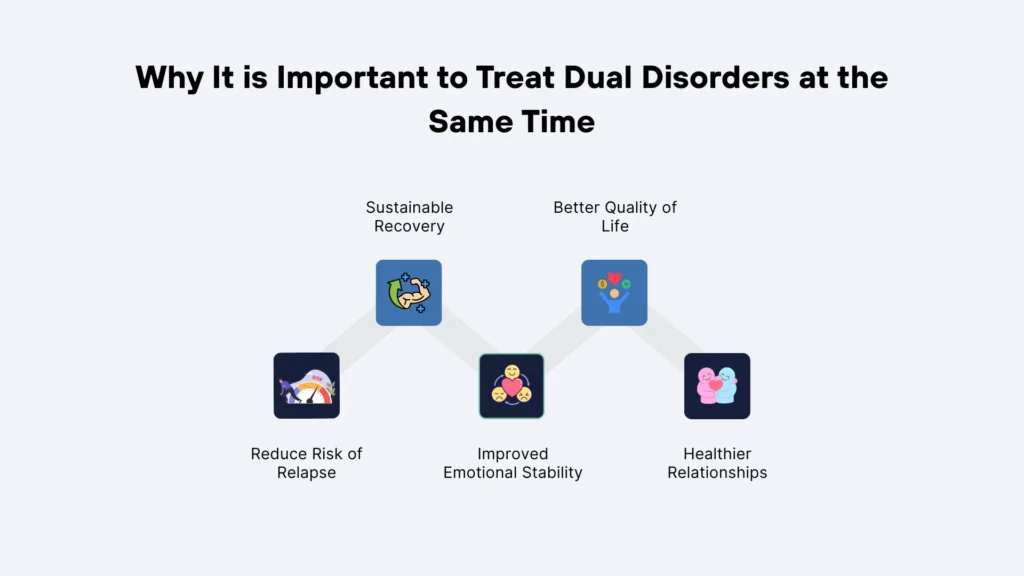
Why It is Important to Treat Dual Disorders at the Same Time
Treating addiction without addressing underlying mental health challenges may lead to temporary recovery. Similarly, treating mental health disorders while ignoring substance use disorders may limit the recovery progress.
Reduce Risk of Relapse
Several relapses occur due to untreated mental health conditions. It is necessary to address different conditions, such as trauma, depression, or anxiety, alongside addiction. This treatment approach helps individuals develop healthier coping skills to manage both emotional challenges and stress.
Sustainable Recovery
Treating the substance use disorder and mental health challenges at the same time allows individuals to understand how both conditions affect their overall health and life. The comprehensive treatment is an effective approach to promote a more sustainable recovery for individuals.
Improved Emotional Stability
Effective medication management and therapy sessions to help individuals overcome addiction and focus on long-term recovery. There is also ongoing counseling that helps clients regain confidence and regulate emotions.
Better Quality of Life
An integrated treatment for substance dependence and mental health problems allows individuals to improve their emotional health and physical well-being. At the Freedom Recovery Center in New Jersey, we also help clients improve their personal relationships and career performance with lasting recovery.
Healthier Relationships
An integrated recovery approach usually enhances family relationships, trust, and communication. The family involvement in the treatment for co-occurring disorders offers valuable support throughout the recovery journey.
Get Treated for Addiction and Co-Occurring Mental Health Disorder Simultaneously for Sustainable Recovery and Improved Emotional Stability.
How Freedom Recovery Center Treats Co-Occurring Disorders
At FRC NJ, we understand that recovery starts with treating both mental health disorders and substance abuse simultaneously. Our integrated treatment strategy combines medication management, psychiatric care, effective therapies, and personalized support. We personalize a treatment plan for every client’s needs and recovery goals.
Comprehensive Evaluation
Treatment for addiction and mental health problems starts with a detailed assessment of mental health, physical health, substance addiction history, recovery needs, and family background. This evaluation allows our certified professionals to identify co-occurring disorders and offer personalized treatment.
Medical Detoxification
A medically supervised detox program is the first step to managing the symptoms when individuals are struggling with substance use disorders. This detox helps in removing the harmful toxins from the individuals for the smooth stabilization before starting the personalized rehab program.
Individualized Treatment Plan
Every individual has unique addiction and mental health challenges that influence the need for a personalized recovery approach. We offer an individualized co-occurring disorder treatment to address both substance dependence and mental health illness at the same time without requiring separate treatment.
Medication Management
Medication management in an integrated dual disorder treatment is an effective approach to reduce substance cravings while addressing the mental health challenges. Our medical professionals determine the medication based on the individual assessment to improve treatment effectiveness.
Individual Therapy
The licensed therapists at FRC NJ offer individualized therapy sessions to clients who prefer confidentiality to recover from co-occurring disorders. These therapeutic sessions help clients process the emotional distress and address the underlying reasons of addiction for long-term recovery.
Group Therapy
Group therapy enables individuals to get in touch with other individuals who are facing similar challenges in their recovery journey. Peer support and guided discussion make it easy for individuals to learn relapse prevention strategies and communication skills to manage their stress for sobriety.
Trauma-Informed Care
Several individuals experiencing co-occurring disorders may struggle with trauma that influences both substance abuse and mental health disorders. Trauma-informed care in a safe and supportive environment enables clients to process their past experiences effectively through healthier coping mechanisms.
Cognitive Behavioral Therapy (CBT)
Cognitive behavioral therapy is a practical psychotherapy that helps individuals to identify and address negative thinking patterns that influence co-occurring disorders. This behavioral therapy also enables clients to acquire practical skills for managing anxiety, depression, and cravings effectively.
Dialectical Behavior Therapy (DBT)
Dialectical behavior therapy teaches mindfulness, distress tolerance, and emotional regulation to individuals. These are practical skills that are beneficial for people struggling with relationship challenges, impulsive behaviors, or intense emotions. This effective therapy reduces the risk of substance consumption.
Relapse Prevention Planning
Recovery continues even after completing the formal treatment for simultaneously occurring disorders. We offer effective relapse prevention strategies to help individuals identify potential triggers and build coping skills. Our certified professionals provide a practical treatment to manage high-risk conditions and maintain sobriety.
Aftercare Support Program
Long-lasting recovery requires proper support and guidance from licensed rehab specialists. We help individuals transition into the comprehensive aftercare program that includes support groups and ongoing therapy. Our aftercare support offers continuous accountability throughout the addiction recovery journey.
Available Levels of Care at Freedom Recovery Center for Dual Diagnosis Rehab
The available levels of care at FRC NJ meet clients’ needs for effective co-occurring disorder treatment. Each rehabilitation program offers an effective recovery journey for both substance addiction and co-occurring mental health problems. These levels of care allow individuals to recover at their own pace.
Partial Hospitalization Program (PHP)
Our Partial Hospitalization Program (PHP) offers intensive, structured treatment during the day and allows individuals to return home in the evening. Individuals struggling with moderate to severe addiction or mental health disorders consider this personalized care. This level of care is ideal for individuals who require daytime care without committing to full-time hospitalization.
Intensive Outpatient Program (IOP)
FRC NJ offers an Intensive Outpatient Program (IOP) to individuals who are struggling with mild to moderate mental health illnesses or substance use disorders. The flexible schedule allows clients to attend their treatment while continuing their responsibilities. This flexible level of care enables individuals to practice recovery skills.
Ready to Enroll in PHP or IOP to Address Co-Occurring Disorders?
Start your confidential recovery journey today at Freedom Recovery and maintain long-term sobriety.
Does Freedom Recovery Center Accept Insurance for Co-Occurring Disorders Recovery?
Several health insurance providers offer coverage for co-occurring disorder treatment. Insurance may cover medication management and therapy sessions in both PHP and IOP. However, the coverage may vary depending on the insurance provider, policy, and level of care.
At Freedom Recovery Center NJ, our professional admission team simplifies the insurance verification process with an explanation of coverage and benefits. We also explain the potential out-of-pocket costs before starting the treatment. Moreover, we believe that financial concerns should not prevent you from accessing personalized care.
Why Choose FRC NJ for Co-Occurring Disorder Rehab?
Choosing the right rehab center makes a significant difference in the recovery journey. FRC in NJ provides compassionate and personalized care to help people recover from both mental health challenges and substance dependence. Our team consists of certified medical professionals, counselors, and therapists to provide personalized care to every individual.
We offer integrated, personalized treatment plans to treat dual disorders to allow clients to achieve lasting recovery. The recovery journey becomes effective in a compassionate and supportive environment. A confidential and judgment-free support allows individuals to recover safely.
Start Your Co-Occurring Disorder Treatment at Freedom Recovery Center New Jersey
Living with both addiction and mental health disorders may feel overwhelming for individuals. An effective co-occurring disorder treatment available at Freedom Recovery Center NJ addresses both conditions at the same time for lasting sobriety. Let’s contact us today to schedule an initial consultation, verify your insurance, and start treatment!
Answers to Most Asked Questions About Co-Occurring Disorder Treatment
Frequently asked questions about the dual disorder treatment are answered here.
What is the best treatment for co-occurring disorders?
Integrated or dual diagnosis care is the best treatment for co-occurring disorders. This treatment approach for co-occurring disorders addresses both substance use disorders and mental health conditions simultaneously.
What is the most common co-occurring disorder?
Anxiety and mood disorders are the most common co-occurring disorders alongside substance use disorder. A person with depression or anxious feelings may start to consume alcohol or drugs for self-medication.
How common is dual diagnosis?
Dual diagnosis is highly common because substance dependence and mental health disorders may occur together. Co-occurring disorders can make recovery difficult for individuals because both conditions influence each other.
Can you recover from co-occurring disorders?
Yes, you can recover from co-occurring disorders through an integrated treatment to address mental health conditions and substance use disorders at the same time. The dual diagnosis treatment eliminates the need for separate treatment.
Why do co-occurring disorders happen?
Co-occurring disorders usually happen due to shared genetic predispositions, environmental stressors, and changes in the brain chemistry. Individuals start using substances for self-medication to relieve psychiatric symptoms.
What is a common barrier to recovery for people with co-occurring disorders?
The lack of awareness about integrated care is a common barrier to recovery for people with co-occurring disorders. This barrier prevents individuals from seeking dual diagnosis treatment to address both conditions simultaneously.