Overcome addiction isn’t a racing trek; it’s a journey where every small step matters, no matter how tiny it is, changes the brain dependency and body to heal and helps you regain your life. If you’ve ever asked yourself, “How long does it take to stop an addiction?” Or “Is recovery really possible for someone like me? ” You’re not alone. Millions of people ask these questions every day, and the answer is that you can heal with the right professional help.
With this article, you’ll get an idea of your timeline and dispel myths, and provide you with practical steps to begin your recovery today. Are you ready to take back control over your life?
Understanding Addiction: Why Breaking It Isn’t a Quick Fix
Addiction isn’t just a bad habit, it’s a long-lasting brain disease that alters the reward mechanism, making substances or alcohol seem like necessities of survival. According to the National Institute on Drug Abuse (NIDA), certain substances affect brain chemicals, especially dopamine, which leads to extreme cravings and impairs decision-making.
Studies have shown that after a long period of abstinence from drugs, dopamine receptors begin recovery within a week. However, complete recovery can take anywhere from months or even years, based on the type of substance taken and the length of the addiction. The timeline for recovery can vary, and find the best support at your rehab facility.
What Actually Determines Your Addiction Recovery Timeline
| Factor | Shortens Timeline By | Lengthens Timeline By |
| Substance (alcohol, opioids, meth, etc.) | Cannabis/nicotine = faster | Meth, fentanyl, heavy benzo use = slower |
| Years of heavy use | <2 years = faster | >8 years = 2–3× longer brain healing |
| Co-occurring mental health issues | Treated early = 30–50 % faster | Untreated depression/anxiety = doubles time |
| Treatment intensity | 90-day inpatient + aftercare = best outcomes | Cold turkey or short detox only = 70 % relapse in 1st year |
| Support system & lifestyle | Strong sober network + exercise = faster | Isolation, stress, same environment = slower |
Related Blog: Your First 30 Days in PHP: A Complete Timeline
Take the First Step Toward a Life Free From Addiction
Our team of compassionate professionals is ready to help you in withdrawal, early recovery, and long-term recovery with the right treatment approach. The journey to recovery begins with a single moment of strength and yours is now. Contact us now to schedule the confidential evaluation and take the first step towards the freedom you deserve.
The Stages of Recovery
Recovery is a gradual process, as addiction takes time to develop, so does their healing process. Below, we present an average timeline to overcome addiction, which is based on research-based understandings and clinically approved strategies from our healthy client outcomes.
Stage 1: Detox and Acute Withdrawal (3-14 Days)
Detox is the physical cleansing process where the body flushes out toxic substances. The typical detox lasts up to 7 days however, opioid or alcohol withdrawal may last for 10-14 days if you are under medical supervision. This is to treat symptoms like shaking, nausea or seizures.
- What to Expect: The peak discomfort can be felt for 2-4 days and then eases by 7. Food, nutrition, and alcohol-related benzodiazepines (for alcohol) help to make it bearable.
- The best advice is to never detox by yourself. Our center’s 24-hour monitored programs ensure your safety and comfort.
Stage 2: Early Recovery and Rehab (1-3 Months)
Your mind and body feel better when you begin to build the fundamental abilities. Inpatient rehabilitation typically runs for 30 to 90 days. 90-day programs have 50% higher in the long run, as per a NIDA study. Options for inpatients can be extended in a flexible manner.
- What to Expect: Post-acute withdrawal syndrome (PAWS) can cause symptoms of insomnia and mood swings during two to eight weeks. Therapy (CBT or group sessions) deals with the root of the problem.
- Integrate yoga or mindfulness into your routine. Clients who do have 30% less reclusive behavior in the first year.
Stage 3: Ongoing Recovery and Maintenance (3 Months to 2+ Years)
It’s the race when habits become solid. Brain scans indicate that dopamine levels are normalized around 14 months of abstinence. The aftercare, such as 12-step meetings and Alumni support, is vital.
- What to Expect: cravings slowly fades away, but triggers last. Relapses (common within 40-60% of instances) are learning experiences and not an excuse for failure. Between 6 and 12 months, many people regain complete cognitive functioning and by the time they reach year 2. prolonged remission is natural.
| Stage | Duration | Key Focus | Success Rate Boosters |
| Detox | 3-14 Days | Physical stabilization | Medical supervision (+80% safety) |
| Early Recovery | 1-3 Months | Skill-building, therapy | 90-day commitment (+50% outcomes) |
| Maintenance | 3 Months+ | Habit integration | Peer support (+40% retention) |
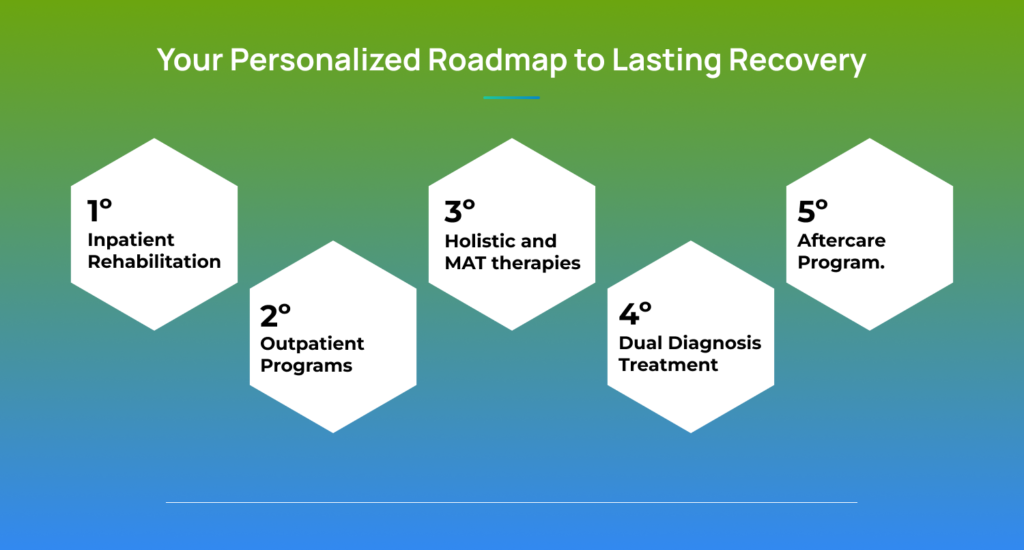
Treatment Options to Accelerate Your Path to Sobriety
Our rehab facility is where we customize your timeline to suit you and blend evidence-based treatments:
- Inpatient Rehabilitation
- Outpatient Programs
- Holistic and MAT therapies
- Dual Diagnosis Treatment
- Aftercare Program
Conclusion
The process of breaking an addiction isn’t the same as a quick fix. Instead, it’s a significant gradual journey through which you can rewire the brain, restructure the body, and reenergize the spirit. When you’re able to get the appropriate treatments from a professional, then long-term recovery is achievable, when you’re ready to take the first step. No matter if your plan is for months or weeks it’s important to start.
If you’re looking to recover and heal, there’s a path waiting at Freedom Recovery Center!
Let Us Help You Rebuild Your Mind & Life at FRC
Our evidence-based programs, expert counselors and a supportive atmosphere can help you to regain control of your life and restore your faith. From assistance with withdrawal, to prevention of relapses, we help you reach your healing goal. Call us today and join us on this path along with you.
Frequently Asked Questions (FAQ)
How many days does it take to break an addiction?
Physical dependence typically ends within 3-14 days; however, complete brain healing and a low chance of relapse can take between 90 and 2 years.
How long does it take to get over an addiction completely?
Most people feel “normal” again between 6-12 months. Long-term freedom (under 15 percent relapse chance) is typical after a period of 2-5 years of steady recovery.
Can you break an addiction in 30 days?
You can go through detox and get back to normal within 30 days, but just 30 days can result in an 80-90 percent relapse rate within one year. 90+ days is the scientifically proven minimal amount of time needed to make a lasting change.
What’s the fastest way to break an addiction?
Medically supervised detox, 90 days of intensive or residential outpatient program, medication-assisted treatment, Therapy, and Aftercare group support help to get recovery faster.